Where the Eight-Glasses Rule Came From
The guideline to drink eight 8-ounce glasses of water per day — often written as "8×8" — is one of the most repeated pieces of health advice in American culture. Yet nutrition researchers have repeatedly noted that this specific target has no strong scientific basis. A widely cited 2002 review by Dr. Heinz Valtin in the American Journal of Physiology found no evidence supporting the rule and suggested it may have originated from a 1945 U.S. Food and Nutrition Board recommendation that was routinely misread — that document noted that most fluid needs are already met by the food and beverages people consume daily.
The persistence of the rule is understandable. Simple numbers are easy to remember and communicate. But rigid targets can mislead: a petite, sedentary adult working in an air-conditioned office has fundamentally different hydration needs than a construction worker in a humid Southern summer. Understanding what actually determines your needs is far more useful than chasing a fixed number.
Common Hydration Myths — Corrected
Misconceptions about hydration are surprisingly widespread, and some can even push people toward unhealthy behaviors. The myth-and-fact pairs below address the most common ones, grounded in current nutrition science.
Myth
You must drink eight glasses of water every day to stay healthy.
Fact
Fluid needs vary significantly by individual — body size, activity, climate, and diet all play a role, and no single number fits everyone.
The 8×8 guideline is a generalization with no robust clinical trial behind it. The National Academies' adequate intake figures account for total water from all beverages and food — not just drinking water alone. A varied diet rich in fruits and vegetables can meaningfully contribute to your daily fluid balance.
Myth
Coffee and tea don't count toward hydration because they're diuretics.
Fact
Moderate consumption of caffeinated beverages does contribute to total fluid intake; the mild diuretic effect is offset by the liquid volume consumed.
Research published in PLOS ONE found that moderate coffee consumption produced similar hydration outcomes to water in habitual coffee drinkers. While very high caffeine intake can increase urine output, the amount of fluid you absorb still exceeds what is lost, making caffeinated drinks a net positive for hydration in typical quantities.
Myth
If you feel thirsty, you're already dangerously dehydrated.
Fact
Thirst is a normal, functional signal — not a sign of crisis. It is the body's designed early-warning mechanism for fluid regulation.
For healthy adults, thirst generally activates well before dehydration reaches a clinically significant level. That said, older adults experience a blunted thirst response, meaning they may not feel thirsty even when genuinely low on fluids. For that population specifically, scheduled fluid intake throughout the day is a more reliable strategy than relying on thirst alone.
Myth
Drinking more water is always better — extra hydration can't hurt.
Fact
Overhydration is a genuine medical concern. Drinking excessive water can dilute blood sodium levels, leading to a condition called hyponatremia.
Hyponatremia occurs when sodium in the bloodstream drops dangerously low, which can cause symptoms ranging from nausea and headaches to, in severe cases, confusion and seizures. Endurance athletes are particularly at risk if they drink large volumes of plain water without replacing electrolytes. Hydration is about balance — not volume maximization.
Myth
Sports drinks are necessary any time you exercise.
Fact
For most moderate, shorter-duration exercise, plain water is sufficient. Sports drinks are most beneficial during prolonged, intense physical activity lasting more than an hour.
Sports drinks containing electrolytes and carbohydrates are designed to replace what is lost during sustained, vigorous exertion. For a 30-minute walk or a typical gym session, they add calories and sugar without a meaningful physiological benefit over water. Reserve electrolyte beverages for genuinely demanding athletic efforts or hot-weather activities where significant sweat loss occurs.
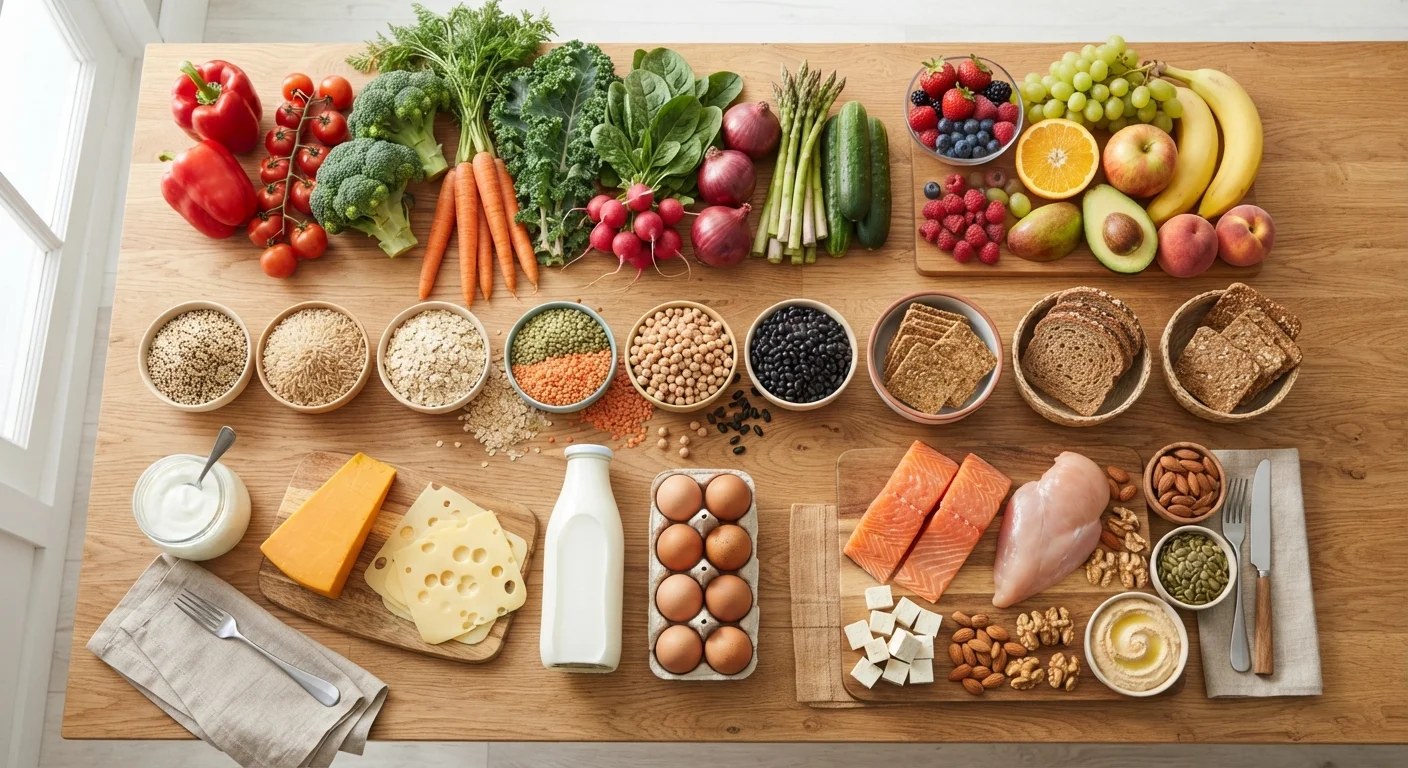
For a broader look at how your daily food choices affect overall nutrient intake, see our weekly grocery list audit — it's a practical way to evaluate whether your diet is covering the basics, including hydration-supporting foods.
How to Actually Gauge Your Hydration
Rather than counting glasses, health professionals often recommend monitoring practical indicators. Urine color is among the simplest: pale yellow generally suggests adequate hydration, while dark amber can indicate you need more fluids. Completely colorless urine may signal you are over-drinking.
~20%
Daily fluid intake from food
The National Academies estimates that roughly 20% of daily water intake comes from food for most Americans, particularly from fruits and vegetables.
1–2%
Body water loss that impairs performance
Research suggests that losing as little as 1–2% of body weight through fluid loss can begin to affect physical and cognitive performance in some individuals.
3.7 L
Total daily water adequate intake for adult men
The National Academies of Sciences, Engineering, and Medicine sets the adequate intake at approximately 3.7 liters of total water per day for men, from all sources.
Body weight, physical activity, and environment are the biggest modifiers of individual need. The National Academies of Sciences, Engineering, and Medicine has published general adequate intake levels — approximately 3.7 liters of total water daily for men and 2.7 liters for women — but these figures include all fluid sources, including food. Active individuals, pregnant or breastfeeding women, and those in hot climates typically require more. If you belong to a special population or have a chronic health condition, consult a qualified healthcare professional before making significant changes to your fluid intake.
Older Adults: Don't Rely on Thirst Alone
The thirst mechanism becomes less reliable with age, meaning older adults may not feel thirsty even when their body needs fluid. If you are caring for an older family member or are over 65 yourself, setting reminders to drink at regular intervals throughout the day is a safer approach than waiting for thirst signals. A healthcare provider can offer personalized guidance.
This article provides general health information and educational context only. It is not a substitute for personalized medical advice. Always consult a qualified healthcare professional for guidance specific to your health situation.