What Sodium Actually Does in the Body
Sodium is an essential mineral — the body cannot make it and must obtain it through food. It plays several critical roles: it regulates fluid balance between cells and their environment, supports nerve impulse transmission, and helps muscles (including the heart) contract and relax properly. Sodium works closely alongside potassium to maintain these functions, a balance that is fundamental to cardiovascular and cellular health.
The kidneys are the body's primary sodium regulators. When intake is high, healthy kidneys excrete the excess through urine. When intake is low, the kidneys conserve it. This regulatory system is efficient — but it has limits, particularly when sodium intake is chronically elevated or when kidney function is compromised.
See our overview of essential vitamins and minerals to understand how sodium fits into the broader picture of micronutrient needs.
How Much Is Too Much? Understanding the Guidelines
The 2020–2025 Dietary Guidelines for Americans recommend that adults consume less than 2,300 milligrams (mg) of sodium per day — roughly equivalent to one teaspoon of table salt. The American Heart Association goes further, suggesting an ideal limit of 1,500 mg per day for most adults, particularly those with elevated cardiovascular risk.
In practice, average sodium intake among American adults is estimated at approximately 3,400 mg per day — nearly 50% above the federal guideline. This gap is not primarily driven by heavy seasoning at the dinner table; it reflects the cumulative sodium load built into the food supply.
3,400 mg
Average daily sodium intake for U.S. adults
According to CDC data, this exceeds the federal dietary guideline of 2,300 mg by nearly 50%.
~70%
Sodium from processed and restaurant foods
CDC research consistently shows that most dietary sodium comes from packaged and prepared foods, not home cooking.
2,300 mg
Federal daily sodium limit for adults
The 2020–2025 Dietary Guidelines for Americans set this as the recommended upper limit for most adults.
It's worth noting that sodium needs can vary by individual. Physically active people who sweat heavily, for example, may have different requirements than sedentary individuals. This is general information, not a personal recommendation — speak with a healthcare provider about what makes sense for your health profile.
Where Most Americans Get Their Sodium
Research published by the Centers for Disease Control and Prevention (CDC) has consistently found that the majority of sodium in the American diet — roughly 70% — comes from processed, packaged, and prepared foods. The salt shaker at the table accounts for a much smaller share than many people assume.
The Top Contributors
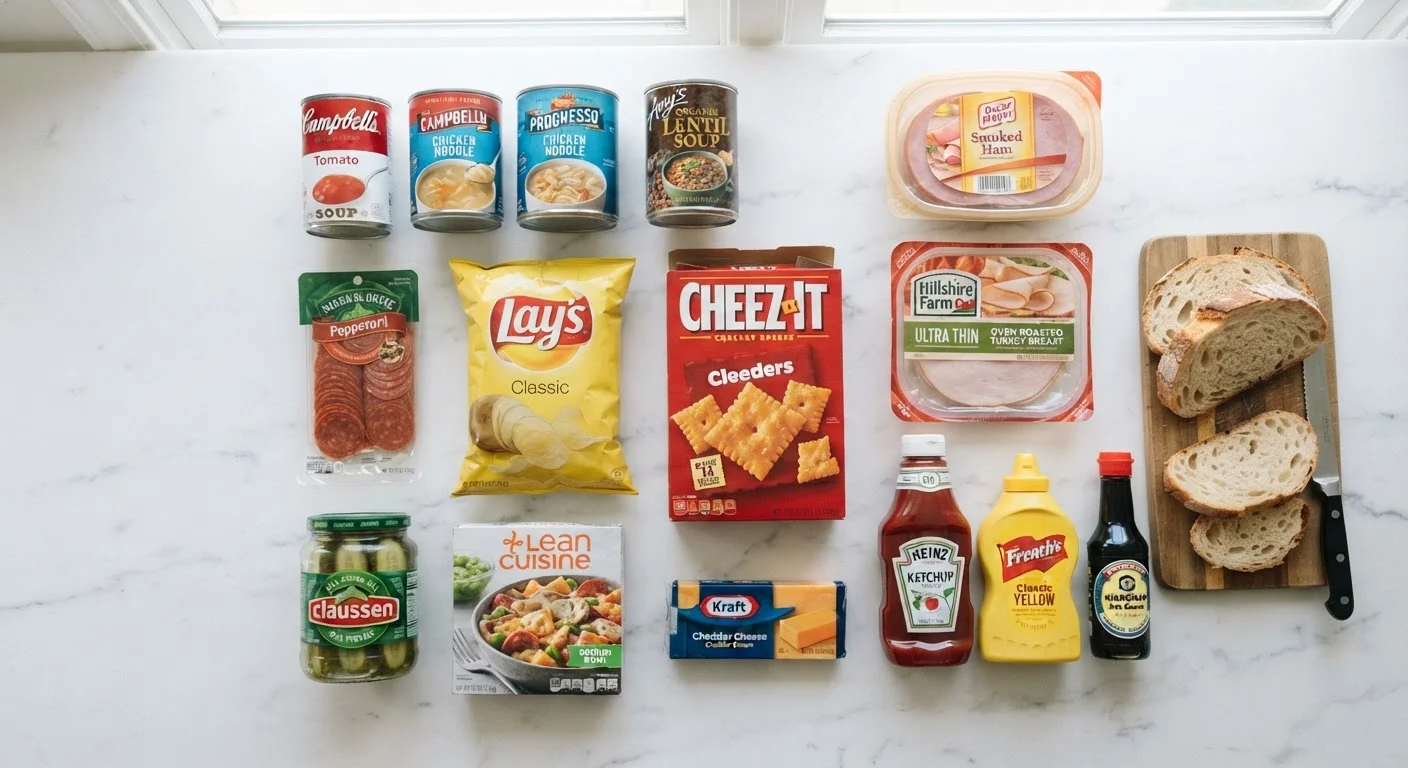
- Bread and rolls: Often overlooked because they don't taste particularly salty, bread is among the single largest sources of sodium by volume consumed.
- Cold cuts and cured meats: Deli turkey, ham, salami, and similar products are heavily preserved with sodium.
- Pizza: Combines high-sodium crust, sauce, cheese, and toppings into a single meal.
- Soups (canned and restaurant): A single can of condensed soup can contain 800–1,000 mg per serving.
- Sandwiches: Layering bread, deli meat, cheese, and condiments compounds sodium from multiple sources.
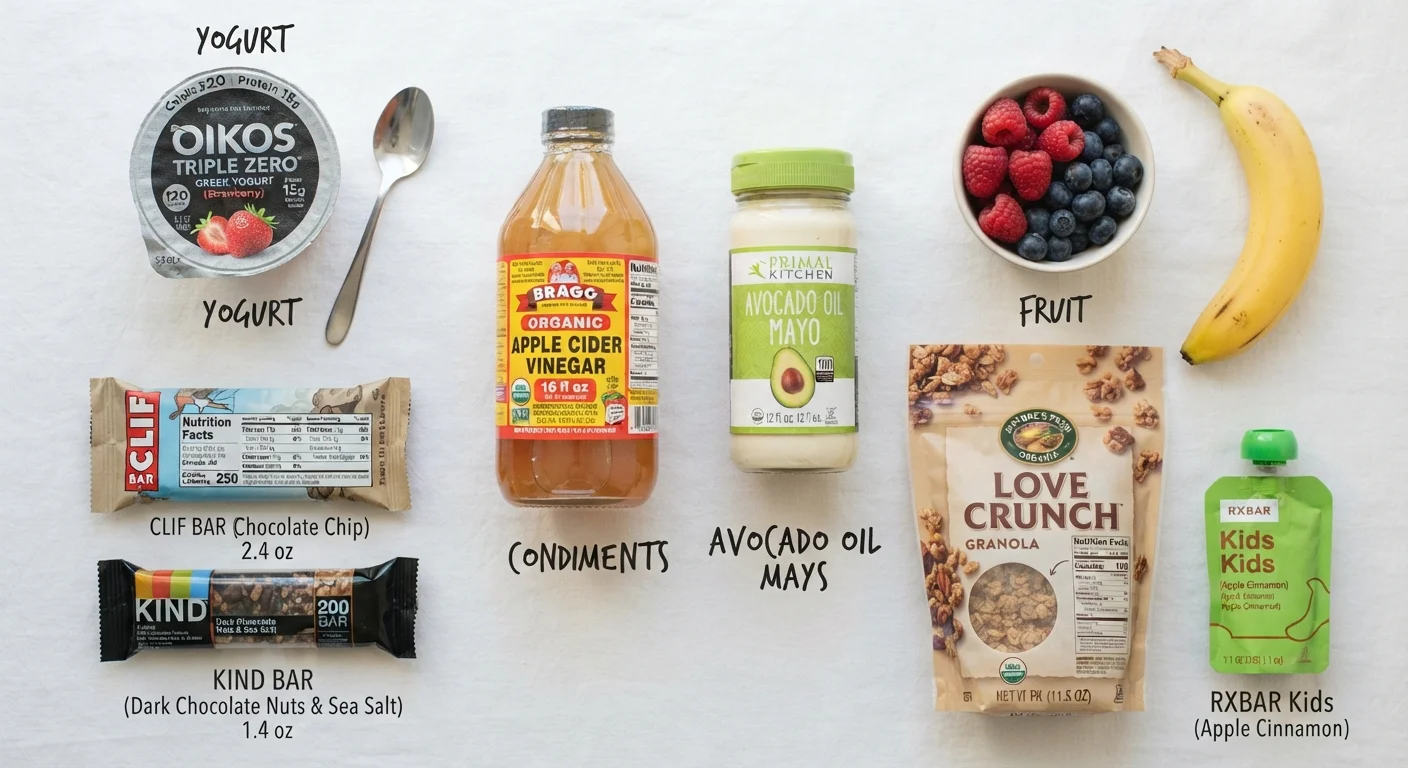
- Condiments and sauces: Soy sauce, ketchup, salad dressings, and hot sauces add sodium even in small amounts.
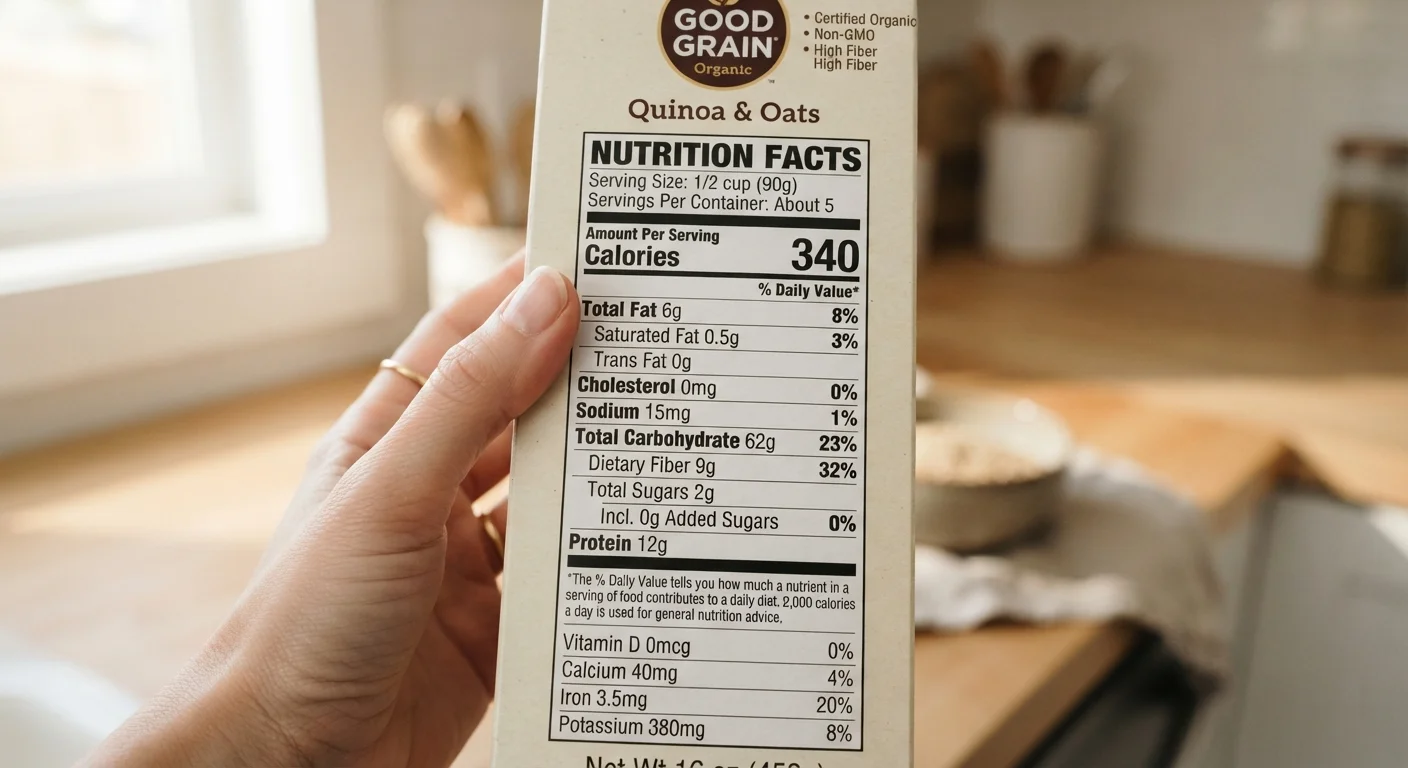
Understanding labels is essential for tracking these sources. Our guide on reading a Nutrition Facts label explains how to interpret the % Daily Value for sodium and what serving sizes actually mean.
When comparing packaged foods, use the per-serving sodium figure and mentally multiply by how much you'd actually eat in one sitting — a single bag may contain two or three servings.
Serving sizes on labels are standardized reference amounts, not realistic portion guidance, and sodium can quickly compound when actual portions exceed them.
Look for products labeled "low sodium" (140 mg or less per serving) or "reduced sodium" (at least 25% less than the regular version) as a quick filtering shortcut.
The FDA regulates these label claims with specific definitions, making them more reliable benchmarks than vague terms like "light" or "natural."
Who Should Pay Closer Attention
While current evidence links high sodium intake to elevated blood pressure (hypertension) in many people, individuals vary in how sensitively their blood pressure responds to dietary sodium — a characteristic sometimes called "salt sensitivity." Research suggests that people with hypertension, kidney disease, or diabetes, as well as older adults and Black Americans, tend to show greater blood pressure responses to sodium than the general population.
High-Risk Groups Need Professional Guidance
If you have been diagnosed with hypertension, chronic kidney disease, heart failure, or diabetes, dietary sodium management may be a meaningful part of your care plan. The appropriate target for you may differ from general population guidelines. Work with your healthcare provider or a registered dietitian to determine the right approach for your individual situation.
People with existing cardiovascular or kidney conditions, those taking certain medications, and individuals in special populations such as pregnant people should consult a qualified healthcare provider before making significant changes to their sodium intake. This article is general health information, not personalized medical advice.
For context on how sodium compares to another commonly discussed dietary element, see our article on added sugar and where it hides — both are largely "invisible" in processed foods.
Practical Steps to Manage Your Intake
Reducing sodium doesn't require eliminating all processed food or cooking every meal from scratch. Small, consistent adjustments tend to be more sustainable than dramatic overhauls.
Strategies That Make a Real Difference
- Check labels before purchasing. Compare sodium per serving across similar products — differences of 200–400 mg between brands are common.
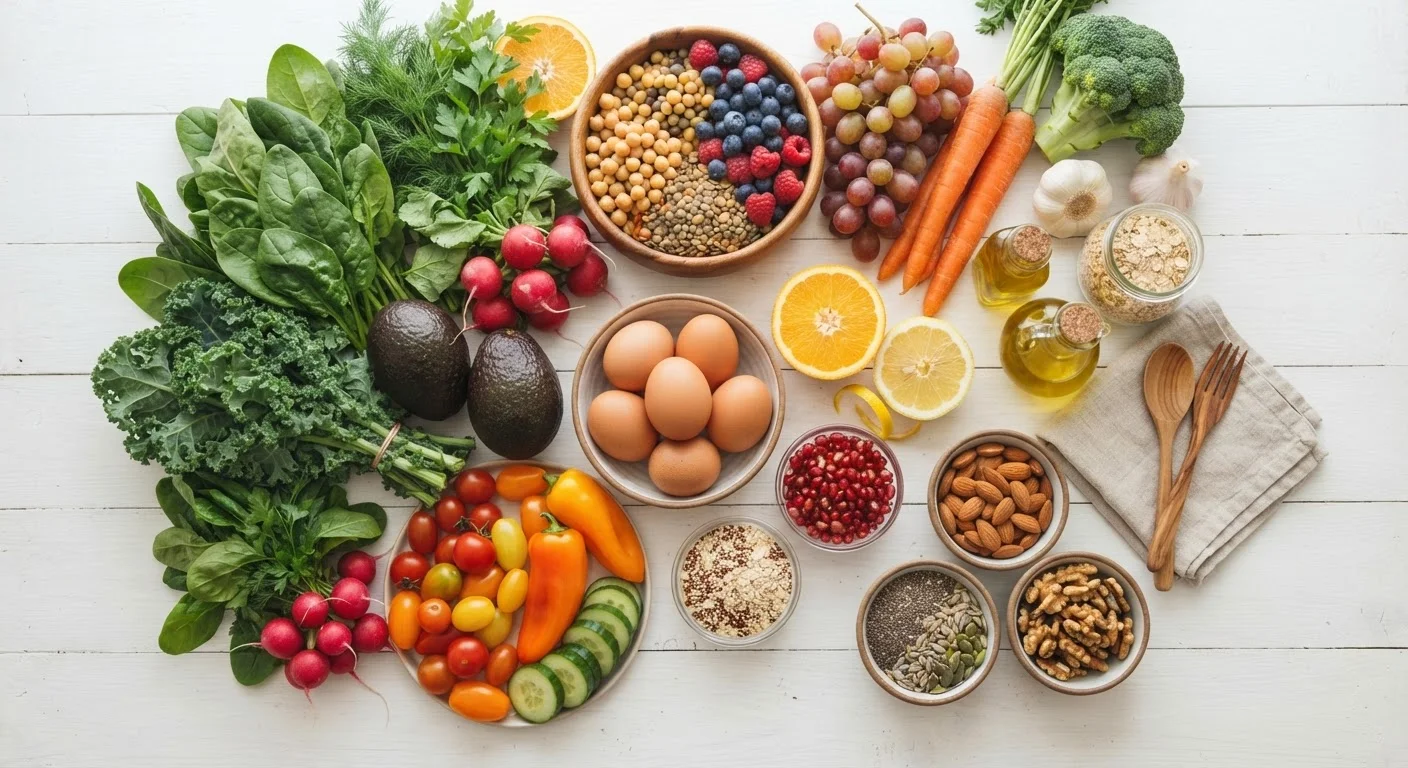
- Prioritize whole foods. Fresh fruits, vegetables, dried legumes, and unprocessed grains are naturally low in sodium.
- Rinse canned goods. Draining and rinsing canned beans or vegetables can reduce their sodium content by a meaningful amount.
- Cook at home more often. Restaurant and takeout meals are frequently high in sodium; home cooking gives you direct control.
- Use herbs, spices, and acid. Lemon juice, vinegar, garlic, and fresh herbs can enhance flavor without added salt.
- Scale back gradually. Taste preferences for salt can adapt over time — reducing incrementally is easier to maintain than cutting abruptly.
Gradual Reduction Works Best
Taste perception for saltiness is adaptable. Cutting sodium intake in small steps over several weeks can make lower-sodium foods taste satisfying rather than bland. Most people who reduce gradually report that heavily salted foods eventually taste overwhelming.
If budget is a factor in your food choices, our guide on eating well on a budget offers practical strategies for improving nutritional quality without overspending — including lower-sodium options.
This article is for general informational and educational purposes only and does not constitute medical advice. Always consult a qualified healthcare professional before making changes to your diet, especially if you have a medical condition or specific health concerns.