What Are Micronutrients and Why Do They Matter?
Vitamins and minerals are collectively called micronutrients — compounds your body requires in relatively small amounts but cannot function properly without. Unlike carbohydrates, protein, and fat (the macronutrients covered in our macronutrients guide), micronutrients don't provide calories. Instead, they enable nearly every process in your body: energy production, immune defense, bone maintenance, blood clotting, and nerve signaling.
Deficiencies often develop gradually and may not produce obvious symptoms right away, which is why understanding your baseline needs matters. This reference breaks down the most important vitamins and minerals, what role each plays, and where to find them in everyday foods.
Micronutrients
Vitamins and minerals required by the body in small quantities to support vital functions. They do not provide calories but are essential for health.
Fat-Soluble Vitamins
Vitamins A, D, E, and K, which dissolve in fat and are stored in the body's fatty tissues and liver. Because they accumulate, excessive intake can reach toxic levels.
Water-Soluble Vitamins
Vitamin C and the eight B vitamins, which dissolve in water and are not stored in large amounts. They need to be consumed regularly through diet.
Daily Value (DV)
A reference amount set by the FDA representing the daily intake level of a nutrient considered sufficient for most healthy adults. Used on nutrition labels to provide context for serving-size amounts.
Heme Iron
A form of iron found in animal-based foods, particularly red meat and poultry, that is more efficiently absorbed by the body than iron from plant sources.
Antioxidant
A compound that helps protect cells from damage caused by free radicals, unstable molecules linked to aging and certain diseases. Vitamins C and E are well-known dietary antioxidants.
Key Vitamins: Functions and Food Sources
Vitamins fall into two categories: fat-soluble (A, D, E, K) — stored in body fat and liver — and water-soluble (C and the eight B vitamins) — which must be replenished regularly because excess is generally excreted.
- Vitamin A: Supports vision, immune function, and skin health. Found in liver, dairy, eggs, and orange-colored produce like carrots and sweet potatoes.
- B Vitamins (B1, B2, B3, B5, B6, B7, B9, B12): Collectively drive energy metabolism and support nerve and red blood cell health. B12, critical for neurological function, is found almost exclusively in animal products; vegetarians and vegans should discuss supplementation with a healthcare provider. Folate (B9) is especially important during pregnancy. Sources include whole grains, legumes, leafy greens, meat, dairy, and eggs.
- Vitamin C: An antioxidant that supports immune function, collagen production, and iron absorption. Citrus fruits, bell peppers, broccoli, and strawberries are rich sources.
- Vitamin D: Promotes calcium absorption and bone health; also plays a role in immune regulation. Few foods naturally contain it — fatty fish, egg yolks, and fortified dairy or plant milks are the main dietary sources. Sun exposure helps the skin synthesize it, but many Americans have insufficient levels.
- Vitamin E: An antioxidant that protects cells. Found in nuts, seeds, sunflower oil, and leafy greens.
- Vitamin K: Essential for blood clotting and bone metabolism. Leafy greens like kale and spinach are top sources.
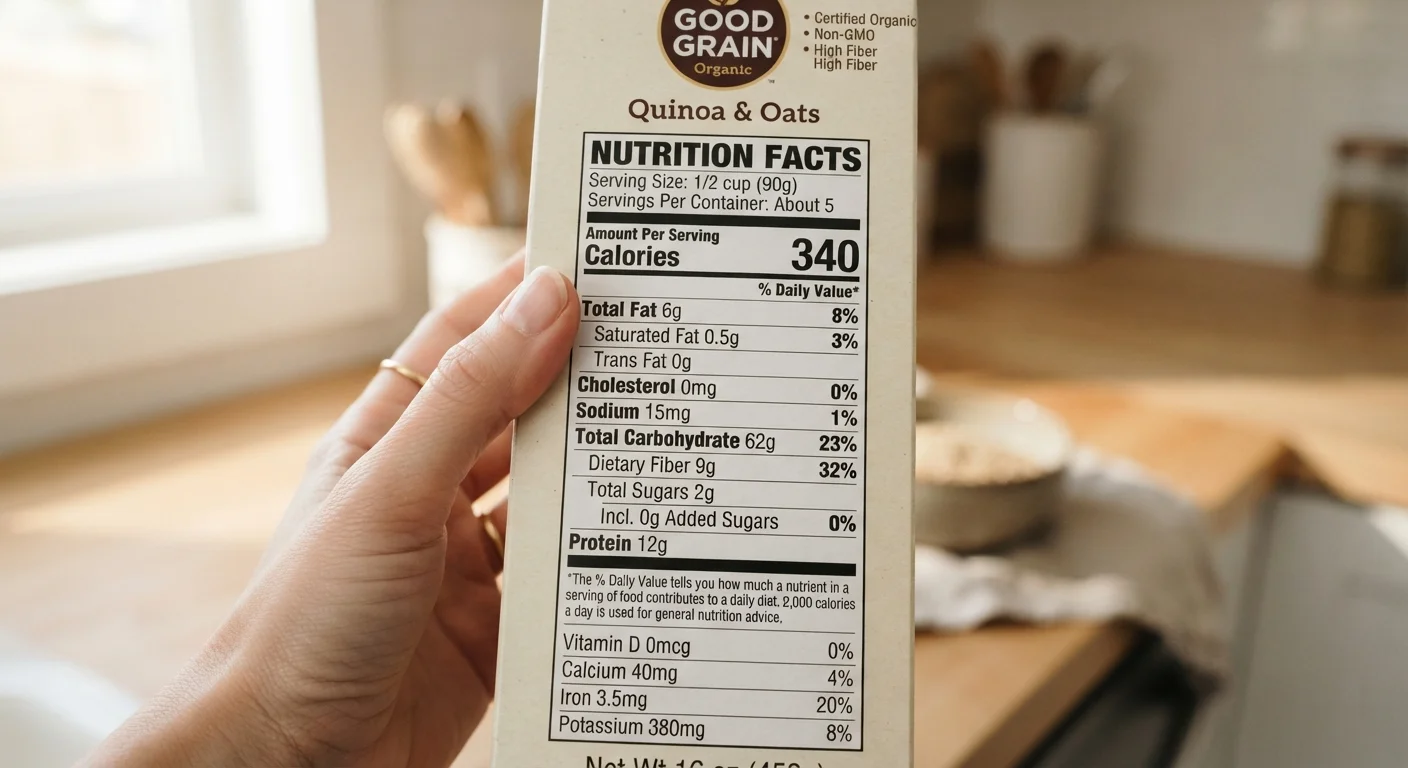
When reading nutrition labels, the % Daily Value column shows how much of each vitamin a serving contributes toward general daily targets.
Essential Minerals: What They Do and Where to Find Them
Minerals are inorganic elements that support structural and regulatory functions throughout the body.
| Number of essential vitamins | 13 (NIH Office of Dietary Supplements) |
| Essential dietary minerals | Approximately 16 (National Academies of Sciences, Engineering, and Medicine) |
| Most common nutrient deficiency in the U.S. | Vitamin D (CDC Second National Report on Biochemical Indicators of Diet and Nutrition) |
| Vitamin B12 risk groups | Vegans, vegetarians, and adults over 50 (NIH Office of Dietary Supplements) |
| Iron absorption boost from vitamin C | Up to 3x for plant-based iron (American Journal of Clinical Nutrition, general findings) |
| Calcium's primary role | Bone and teeth structure (99% stored in skeleton) (NIH Office of Dietary Supplements) |
- Calcium: The most abundant mineral in the body; critical for bone and teeth strength, muscle contraction, and nerve transmission. Sources: dairy products, fortified plant milks, tofu made with calcium sulfate, and leafy greens.
- Iron: Carries oxygen in red blood cells. Heme iron from meat is more readily absorbed than non-heme iron from plants. Consuming vitamin C alongside plant-iron sources improves absorption. Women of reproductive age and vegetarians are at higher risk of deficiency.
- Magnesium: Involved in over 300 enzymatic reactions, including muscle and nerve function and blood sugar regulation. Found in nuts, seeds, legumes, whole grains, and dark chocolate.
- Potassium: Supports heart rhythm and blood pressure regulation. Bananas, potatoes, beans, and yogurt are good sources.
- Zinc: Supports immune function, wound healing, and taste perception. Meat, shellfish (especially oysters), legumes, and pumpkin seeds are key sources.
- Sodium: Regulates fluid balance and nerve signals, but most Americans consume well above recommended levels. Excess sodium is linked to elevated blood pressure in some individuals.
- Iodine: Required for thyroid hormone production. Iodized salt and seafood are the primary sources in the U.S. diet.
Practical Tips for Getting Enough Through Food
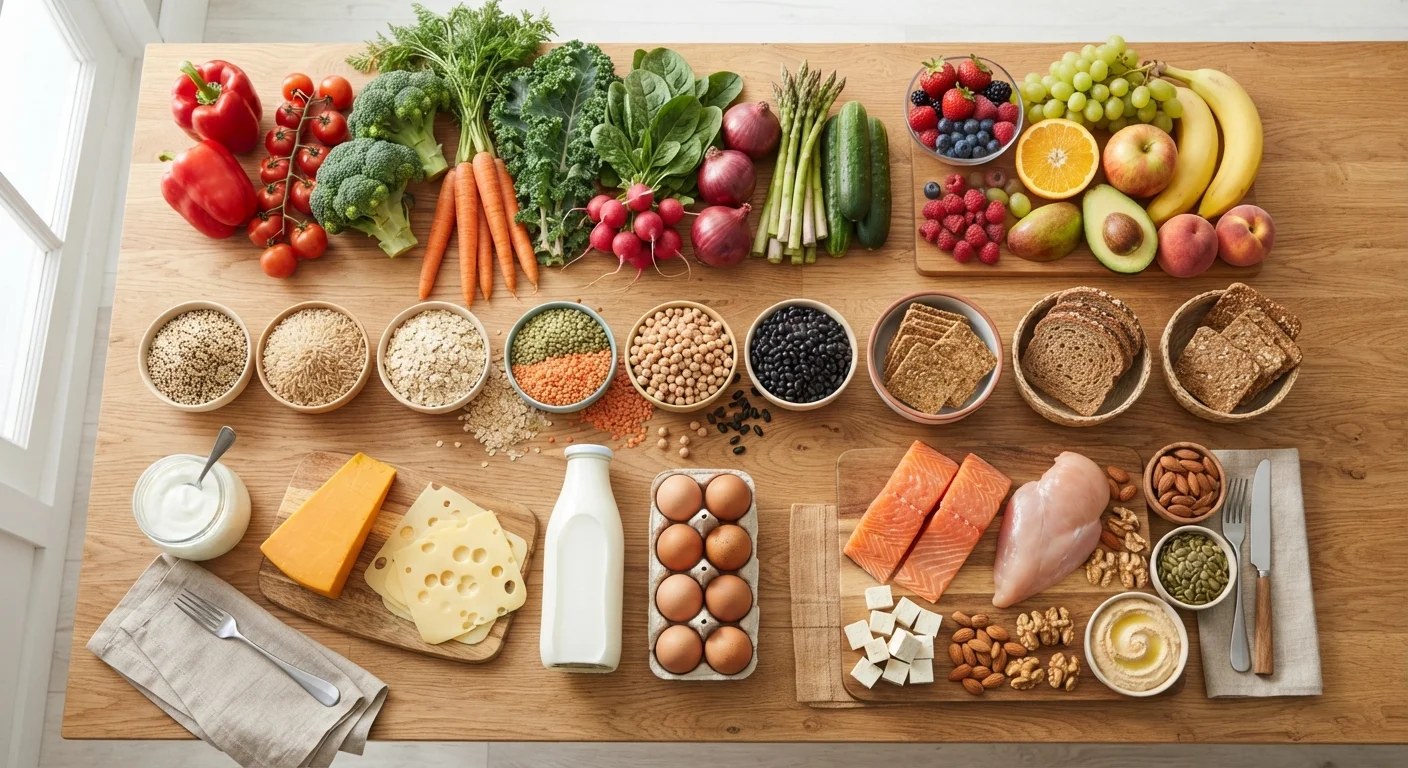
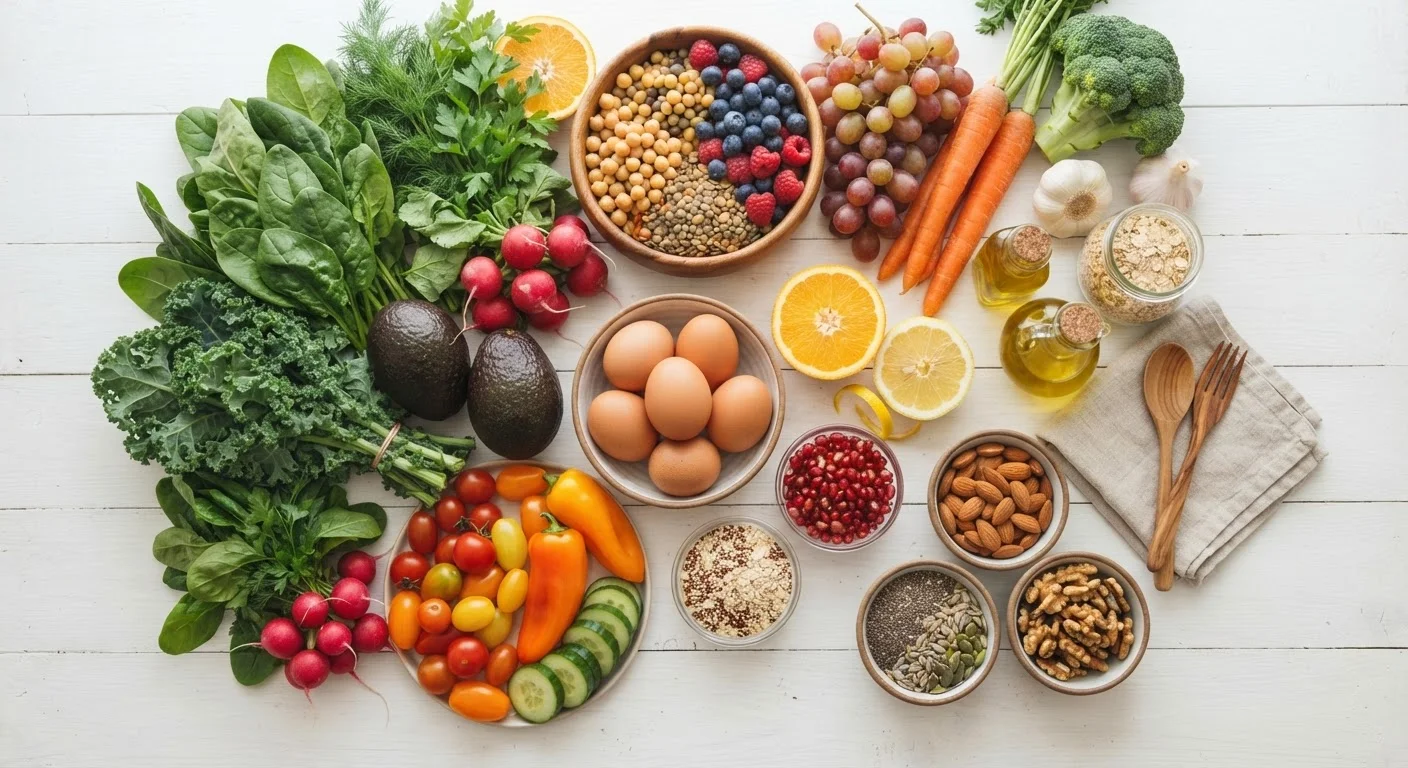
The most reliable way to meet micronutrient needs is through a varied, whole-food diet. No single food covers everything, which is why diversity across food groups matters more than any individual superfood.
Use your weekly grocery list as a check — aim for produce in multiple colors, a protein source at most meals, whole grains, and at least one serving of dairy or a calcium-fortified alternative each day. Eating nutritiously on a budget is achievable: canned beans, frozen vegetables, and eggs are among the most nutrient-dense and affordable staples available.
Supplements Don't Replace Whole Foods
While supplements address specific deficiencies, they don't deliver the full spectrum of phytonutrients, fiber, and synergistic compounds found in whole foods. Research consistently shows that nutrients from food sources are associated with better health outcomes than isolated supplements. Think of supplements as a targeted safety net, not a nutritional shortcut.
Supplements can help fill specific gaps — particularly vitamin D, B12 for those on plant-based diets, and folate during pregnancy — but they aren't a substitute for a balanced diet. Always consult a healthcare provider before starting a supplement regimen, as some vitamins and minerals can accumulate to harmful levels when taken in excess.
This article is for general informational and educational purposes only and is not a substitute for professional medical advice, diagnosis, or treatment. Consult a qualified healthcare provider with questions about your nutritional health or before making significant changes to your diet.