Why Grocery Myths Stick — and What They're Actually Costing You
Grocery shopping feels routine, which is exactly why spending habits formed around it rarely get scrutinized. Small missteps — buying in bulk out of habit, skipping the store brand on instinct, or stocking up on a sale item you don't actually need — don't feel like mistakes in the moment. They feel like smart shopping. That gap between perception and reality is where grocery budgets quietly leak.
The myths below aren't obscure. They're the kind of widely shared, sensible-sounding beliefs that persist precisely because they contain a kernel of truth. Understanding where each one breaks down is how you start making grocery spending work in your favor — not against it. For a broader look at how spending assumptions can distort your finances overall, the Budgeting Basics hub is a practical starting point.
Myth
Buying in bulk is almost always the cheapest way to shop.
Fact
Bulk purchases only save money when the entire quantity gets used — waste erases any price-per-unit advantage.
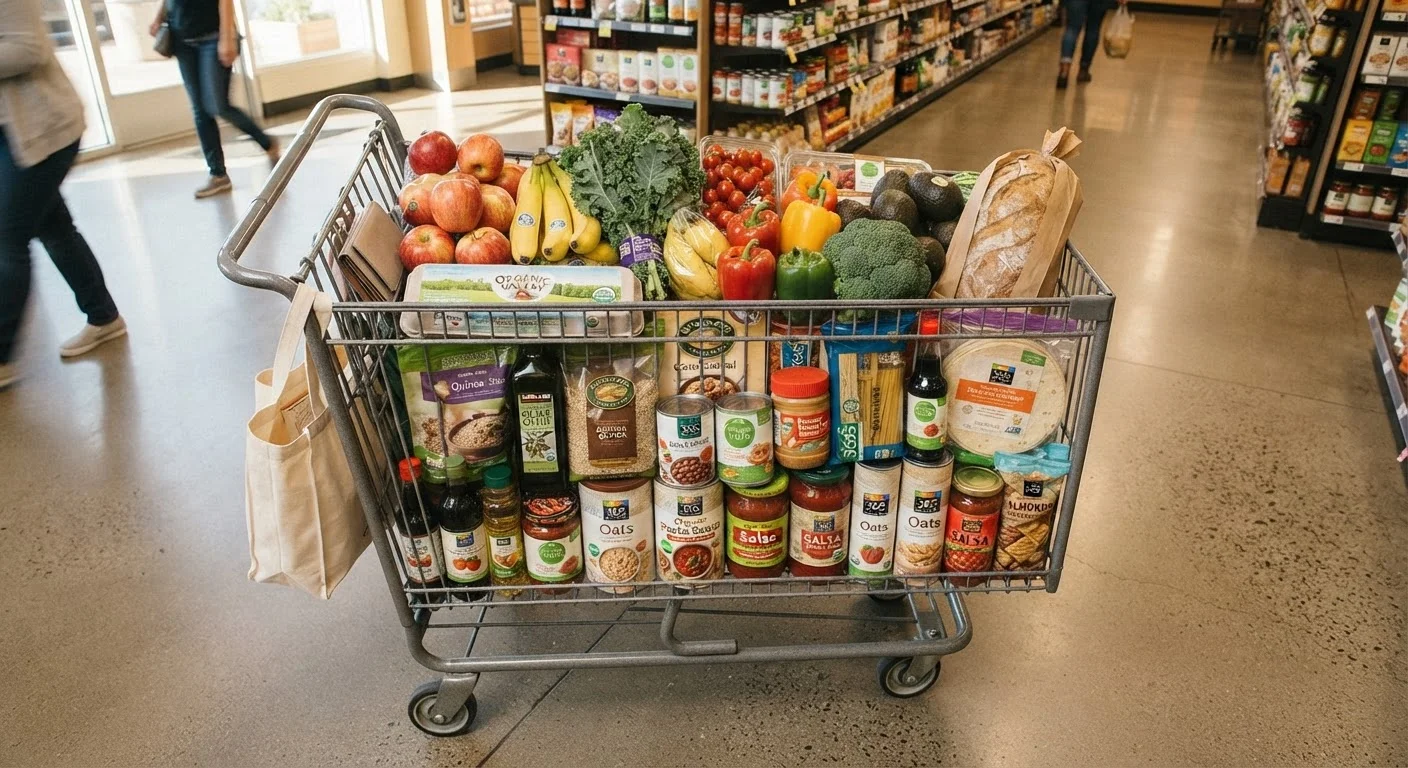
Bulk pricing typically does offer a lower cost per unit, but that math only holds if nothing goes to waste. For perishables like bread, produce, or dairy, a household that can't consume the full quantity before spoilage ends up spending more, not less. Even for shelf-stable goods, storage space and product turnover matter. A practical rule: bulk buy only items you use regularly, in quantities your household will consume within a realistic timeframe.
Myth
Store-brand products are lower quality than name brands.
Fact
Many store-brand products are manufactured in the same facilities as name-brand equivalents, with near-identical formulations.
Private-label (store brand) products have a long history of being produced by the same contract manufacturers that supply national brands. The primary difference is packaging and marketing spend — costs that get passed to the consumer in the form of a higher price tag. While quality can vary by category, store brands in staple categories like flour, canned vegetables, cooking oils, and over-the-counter medications frequently perform on par with name-brand counterparts. Treating all store brands as inferior by default leaves meaningful savings on the table.
Myth
Using every coupon you find always saves money.
Fact
Coupons only save money on items you would have bought anyway at full price; otherwise they generate spending, not savings.
Coupons are a marketing tool designed to introduce shoppers to products or increase purchase frequency. When a coupon prompts you to buy something not already on your list — or to buy a larger quantity than you need — you've spent money you wouldn't have otherwise spent. The savings calculation should always be: Would I have bought this at full price? If the answer is no, the coupon isn't saving you anything. Selective coupon use on recurring staples is where genuine value lies.
Myth
Shopping more frequently saves money because you only buy what you need.
Fact
More frequent shopping trips consistently produce more unplanned purchases, increasing total spending.
Research on consumer behavior consistently links trip frequency to higher overall spending — each additional store visit creates more exposure to promotions, displays, and impulse items. A weekly or bi-weekly shopping routine with a detailed list generally produces lower monthly grocery totals than daily or near-daily trips. Meal planning ahead of your shopping trip, even loosely, reduces both trip frequency and in-store decision-making that leads to overspending. See also: common budgeting myths that can make planning feel harder than it is.
Myth
Sales are always a good reason to stock up.
Fact
Stocking up on sale items is only beneficial when those items have a long shelf life and a confirmed place in your regular meals.
A 40% discount on a product you've never cooked with is not a deal — it's a gamble. Households that stock up reactively (buying whatever is marked down) often find pantries full of items that never get used. Sales on items already in your rotation, with sufficient shelf life, represent genuine value. Everything else is a marketing mechanism designed to move inventory. Before grabbing extra units, ask whether this item appears consistently on your shopping list.
Putting It Into Practice Without Overhauling Your Routine
None of these corrections require dramatic lifestyle changes. They require a shift in the questions you ask before putting something in your cart.
Unit Price Is the Only Price That Matters
The sticker price on a package tells you almost nothing useful about value. The unit price — cost per ounce, per count, or per serving — is what allows real comparisons between sizes and brands. Most grocery store shelf labels already display this figure. Make it your default reference point before reaching for any item.
Check the unit price before comparing packages. Audit bulk purchases against your household's actual consumption rate. Test store-brand substitutes in low-risk categories first — pantry staples are a natural starting point. Build a shopping list before each trip and, where possible, shop on a full stomach with a set time limit.
Bulk Buying Can Backfire Quickly
Perishable items bought in large quantities often spoil before they're used, turning apparent savings into actual waste. Before buying in bulk, honestly assess how quickly your household consumes that item. Non-perishables and frequently used staples are the safest candidates for bulk purchasing.
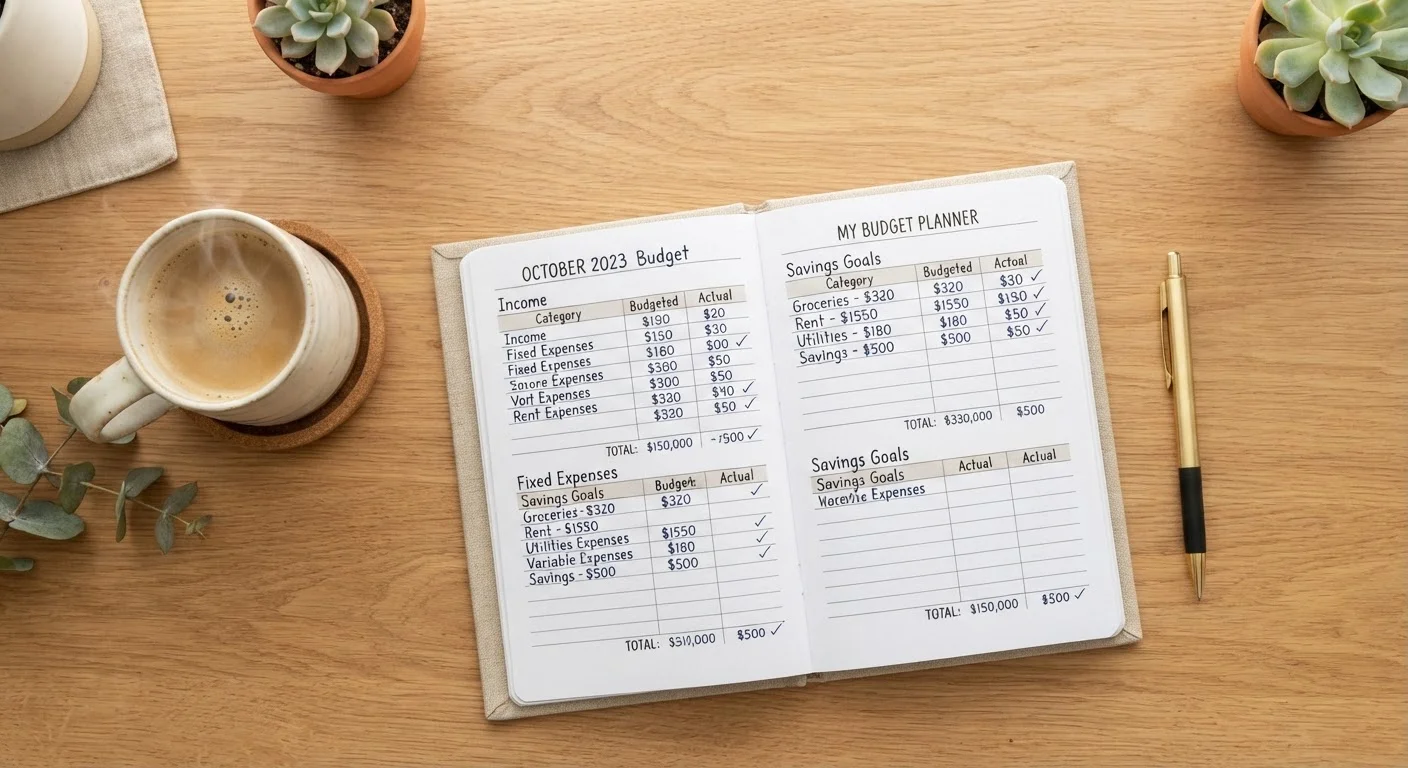
These habits compound. Saving $15 to $25 per week through more deliberate grocery decisions adds up to $780 to $1,300 annually — without cutting out anything you value. That's real money redirected toward savings or debt reduction. The Saving & Debt hub has strategies for putting those recovered dollars to work. And if you want to pair smarter spending with better food choices, eating well on a budget covers both goals together.
This article is for general informational purposes only and does not constitute personalized financial advice. Consult a qualified financial professional for guidance specific to your situation.