
Why Low-Impact Doesn't Mean Low-Effort
One of the most persistent misconceptions in fitness culture is that exercise only "counts" if it's hard on the body. In reality, low-impact movement — defined broadly as activity that keeps at least one foot on the ground or significantly reduces joint stress — can deliver genuine cardiovascular, muscular, and mental health benefits without the wear-and-tear risk of higher-impact training. If you've encountered this myth, you're not alone. Our breakdown of common fitness myths addresses this and other beliefs that can hold people back from moving more.
Low-impact options are especially relevant for people managing joint discomfort, returning to activity after a long break, older adults, those in later stages of pregnancy, or anyone who simply finds high-impact exercise unsustainable over time. The forms of movement below represent a range of contexts, intensities, and goals — none require elite fitness to begin.
Low-Impact Is Not the Same as Easy
"Low-impact" describes the mechanical stress placed on joints, not the level of exertion involved. Swimming, cycling, and elliptical training can all be performed at high intensity and deliver significant cardiovascular challenge. The distinction matters because it helps people choose movement that fits their body's needs — not movement that feels less worthwhile.
Six Low-Impact Movement Forms Worth Exploring
Swimming and Water Aerobics
Water-based exercise is widely regarded as one of the most joint-friendly movement forms available. The buoyancy of water significantly reduces the load on hips, knees, and ankles while still allowing for muscular and cardiovascular exertion. Swimming laps engages the entire body; water aerobics classes offer a social, structured alternative with lower technical demands. Both formats can be scaled to virtually any fitness level.
Water buoyancy makes swimming one of the most joint-friendly workouts available for any fitness level.
Cycling (Stationary or Outdoor)
Cycling keeps weight off the lower-body joints while working the quadriceps, hamstrings, glutes, and cardiovascular system. Stationary bikes in particular offer a controlled environment where resistance and pace are easy to adjust. Outdoor cycling adds variety and mental engagement. Research consistently associates regular cycling with improvements in aerobic capacity and lower limb strength without the repetitive impact of running. For a direct comparison of lower-impact versus higher-impact cardio, see our walking vs. running guide.
Cycling builds cardiovascular fitness and lower-body strength without the repetitive impact stress of running.
Walking
Walking is low-impact by definition and requires no equipment, membership, or prior fitness level. It supports cardiovascular health, mood regulation, and metabolic function, and it remains one of the most studied forms of physical activity with consistently favorable findings across populations. Pace, incline, and duration can be adjusted to suit virtually any individual. For those exploring how walking compares to other aerobic options, the Zone 2 cardio framework is worth understanding — brisk walking often falls squarely within that beneficial intensity range.
Brisk walking frequently falls within the Zone 2 intensity range linked to meaningful long-term aerobic gains.
Yoga
Yoga combines controlled movement, breathwork, and held postures in a format that emphasizes body awareness over exertion. Depending on the style — restorative, hatha, vinyasa — it can function as a gentle recovery session or a moderately demanding full-body workout. Evidence supports yoga's role in improving flexibility, balance, and psychological well-being. For clarity on how yoga's stretching component fits into a broader movement strategy, our article on flexibility, mobility, and stretching is a useful companion.
Yoga's range of styles makes it adaptable as both a recovery tool and a standalone low-impact workout.
Tai Chi
Originating as a Chinese martial art, tai chi is now widely practiced as a slow, flowing movement discipline emphasizing coordination, balance, and mindfulness. Its low intensity makes it accessible to older adults and those with limited mobility, and research has associated regular practice with improved balance, fall prevention, and stress reduction. Classes are available through community centers, gyms, and many online platforms.
Tai chi's slow, deliberate movements have demonstrated benefits for balance and fall prevention in older adults.
Elliptical Training
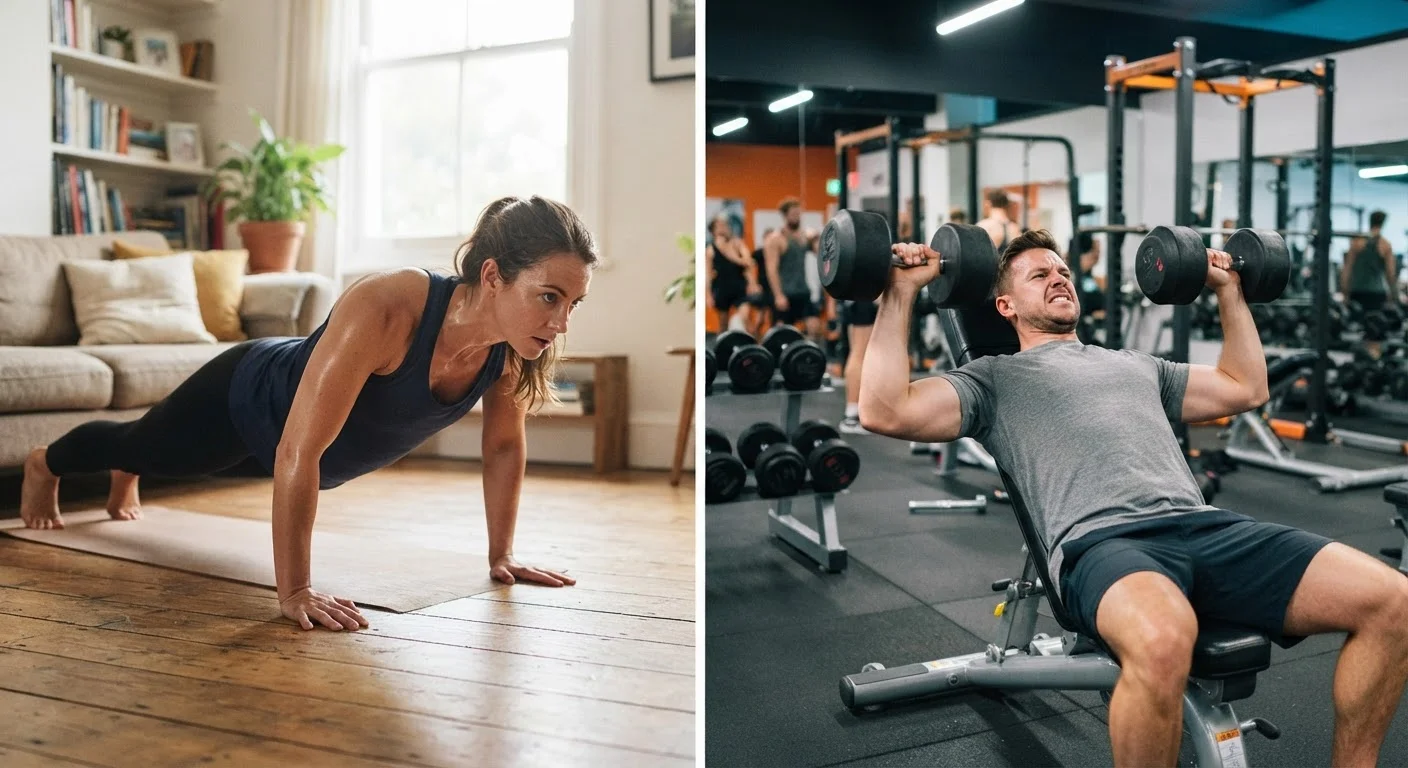
The elliptical machine mimics the motion pattern of running while eliminating the ground-impact phase, making it a popular choice for those who want aerobic intensity without joint stress. Many machines include arm handles, allowing the upper body to share the workload. Resistance and incline adjustments mean intensity can rise significantly — well beyond what the term "low-impact" might imply to newcomers. If you're weighing gym access versus home exercise options, our honest comparison of home workouts and gym training covers what each setting realistically offers.
The elliptical replicates running's aerobic demands with a fraction of the joint impact — a meaningful trade-off.
Start With What Feels Manageable
There is no minimum threshold of effort required to begin benefiting from movement. Even short, gentle sessions build the habit and signal to the body that regular activity is the norm. Aim for consistency over duration or intensity, especially in the early weeks. As fitness and confidence grow, duration and challenge can increase naturally.
Finding What Works for You
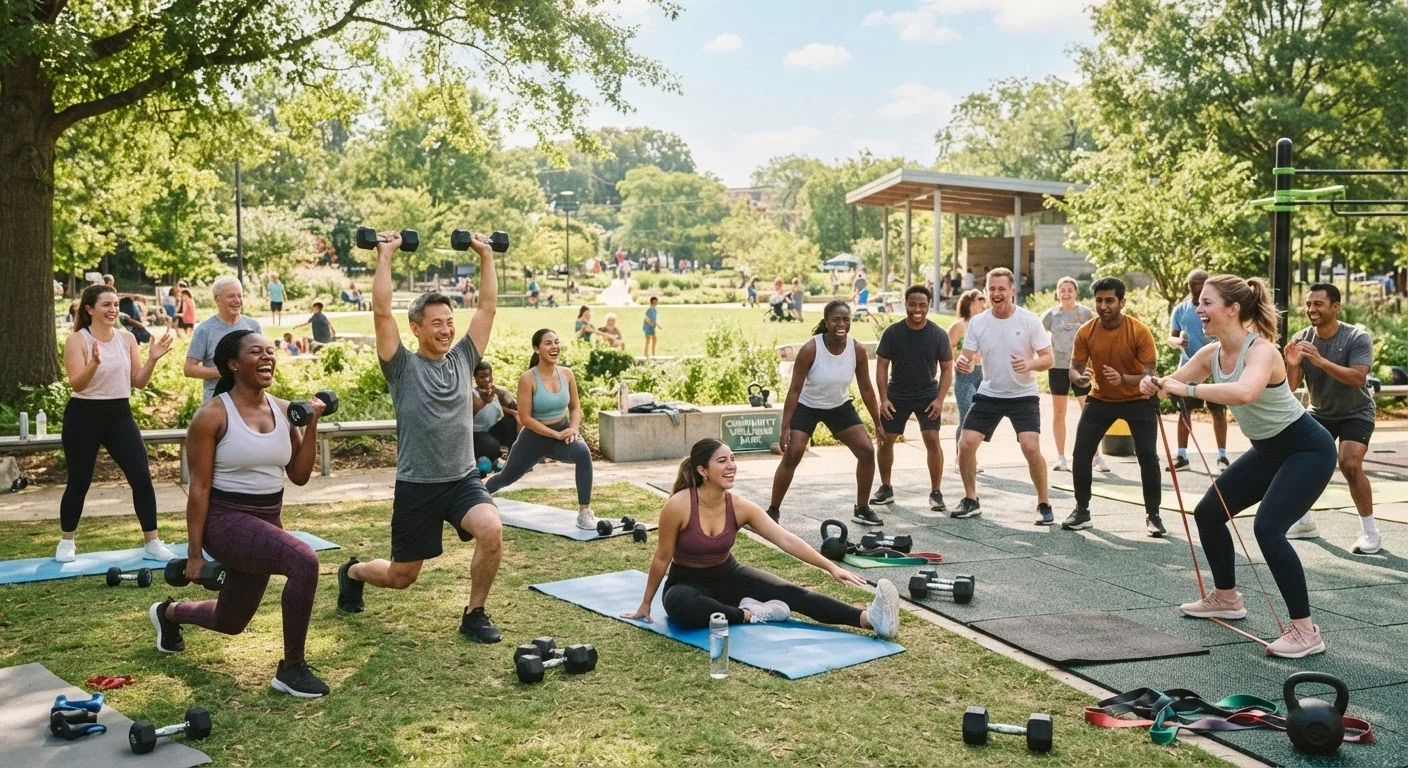
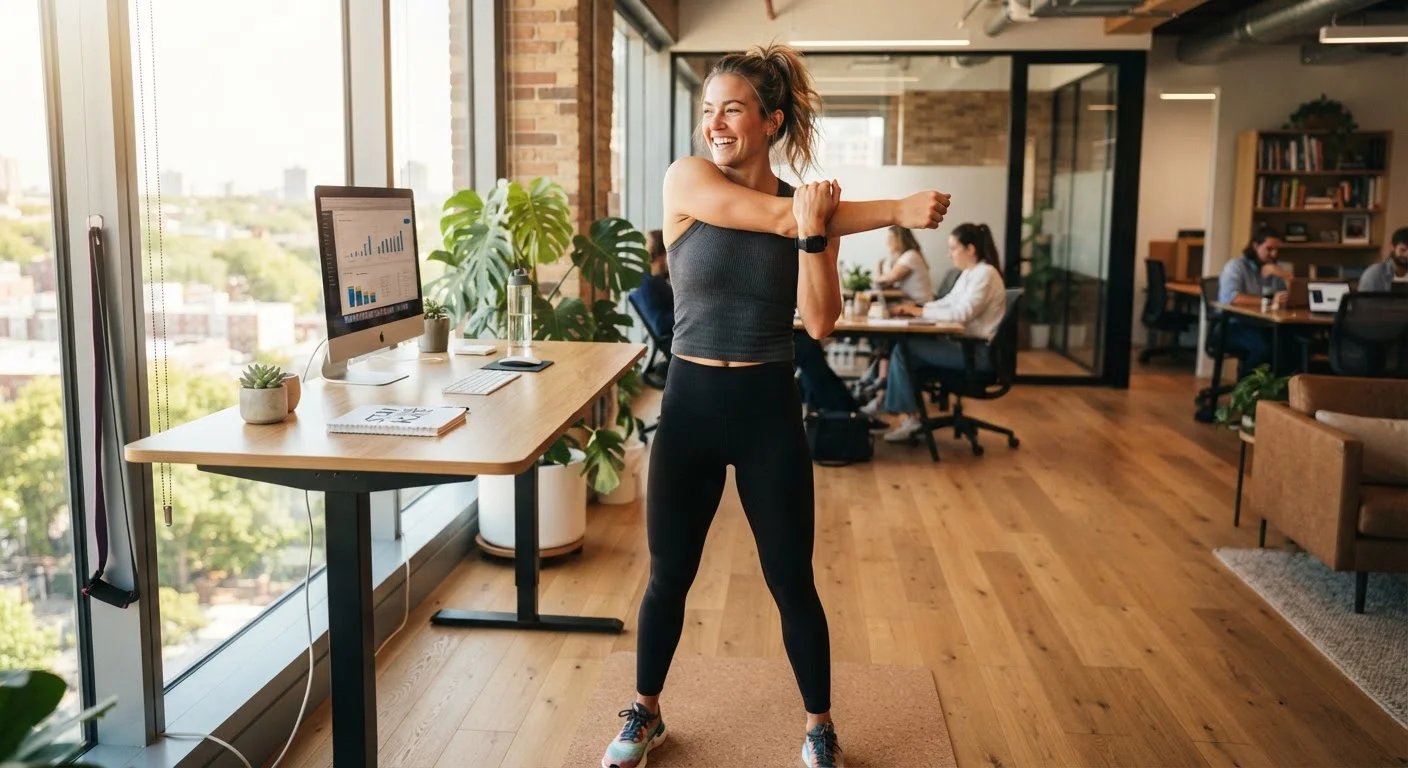
The most effective exercise is the one you'll actually do consistently. If formal gym sessions don't suit your schedule or preferences, know that low-impact movement can happen almost anywhere — a pool, a park path, a living room, or even during short windows during a busy day. Our guide to fitting movement into a packed day shows how brief, frequent activity bursts can accumulate into meaningful health benefits over time.
Once you've identified a form of movement you enjoy, the next step is giving it structure. A realistic weekly plan — balancing rest with activity — makes it far easier to stay consistent. See our guide to building a weekly movement plan you'll actually stick to for a practical framework. And if you're coming back after time away from exercise, our realistic path back to movement can help you ease in without overdoing it.
This article is for general informational and educational purposes only. It is not medical advice. If you have any health condition, injury, or concern, please consult a qualified healthcare professional before beginning or changing any exercise program.