What LTE and 5G Actually Are
LTE (Long-Term Evolution) and 5G are both cellular network standards — protocols that define how your phone connects to a carrier's towers to send and receive data. Think of them as different generations of the same underlying system, not separate technologies.
LTE, commonly called 4G LTE, became the dominant U.S. standard through the 2010s. It handles everyday tasks like streaming music, loading maps, and sending photos reliably across most of the country. 5G is the next generation, engineered to deliver faster peak speeds and lower latency (the delay between sending a request and getting a response). In ideal conditions — near a dense urban 5G tower — the difference can be dramatic. In practice, 5G performance varies considerably based on which band your carrier uses and how close you are to infrastructure.
There are three 5G frequency bands in common use: low-band (wide coverage, modest speed gains over LTE), mid-band (stronger speeds, good urban/suburban reach), and mmWave (very fast but limited to dense city blocks and indoor venues). When a carrier advertises nationwide 5G, they're often referring to low-band coverage. Mid-band — sometimes called "Sub-6" — is where most of the meaningful speed improvements live.
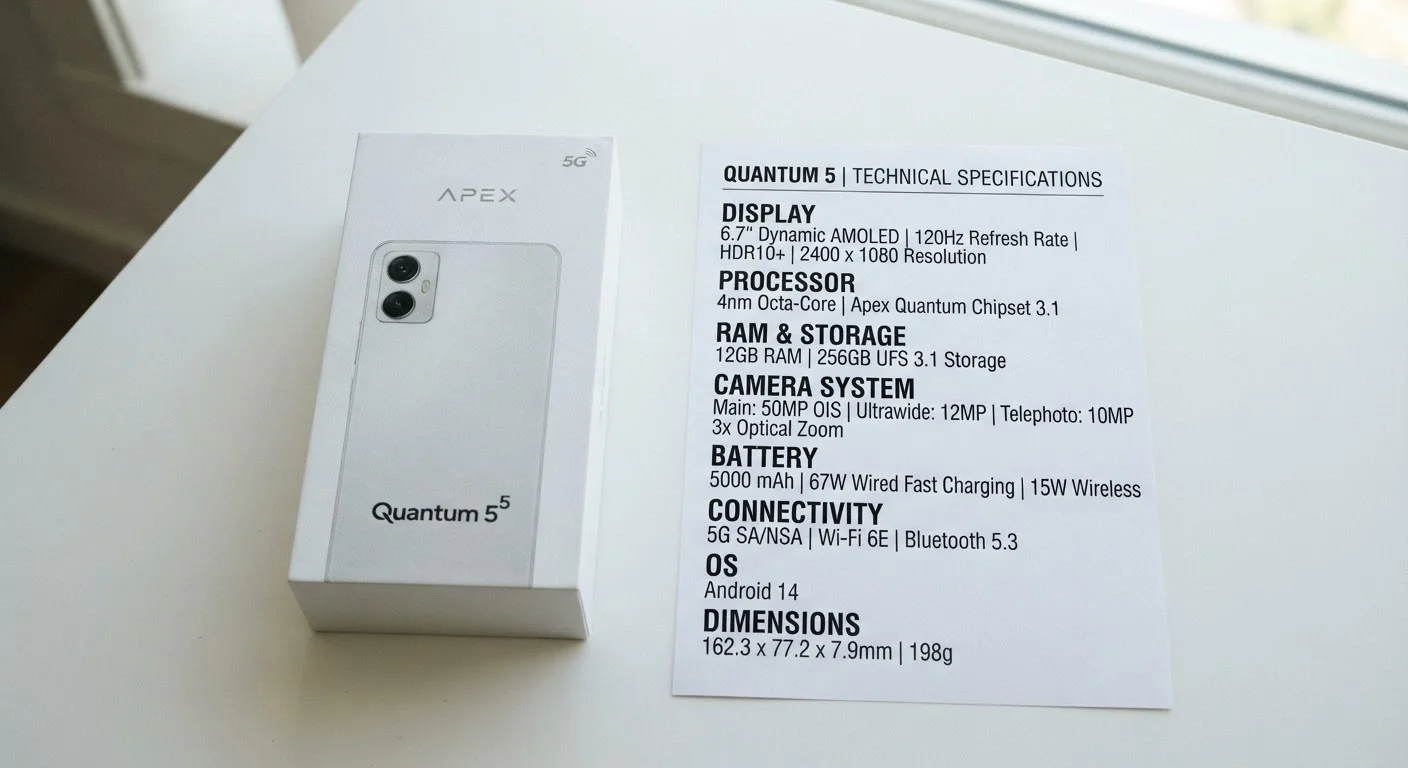
For most everyday tasks, LTE remains more than sufficient. Understanding which band your carrier actually deploys in your area is more useful than assuming 5G always means faster. See our full spec decoder for how cellular specs appear on phone packaging.
| Criterion | Cellular Data (LTE / 5G) | Wi-Fi Calling |
|---|---|---|
| Primary function | Mobile internet access | Voice calls over Wi-Fi |
| Requires cell tower | Yes | No |
| Affects data speed | Yes (5G faster than LTE) | No |
| Useful indoors with weak signal | Limited by building materials | Yes, when Wi-Fi is available |
| Extra cost | Tied to your data plan | Usually included free |
| Coverage dependency | Carrier tower network | Home or office broadband |
| Handles streaming/apps | Yes | No |
Wi-Fi Calling: A Different Problem, A Different Solution
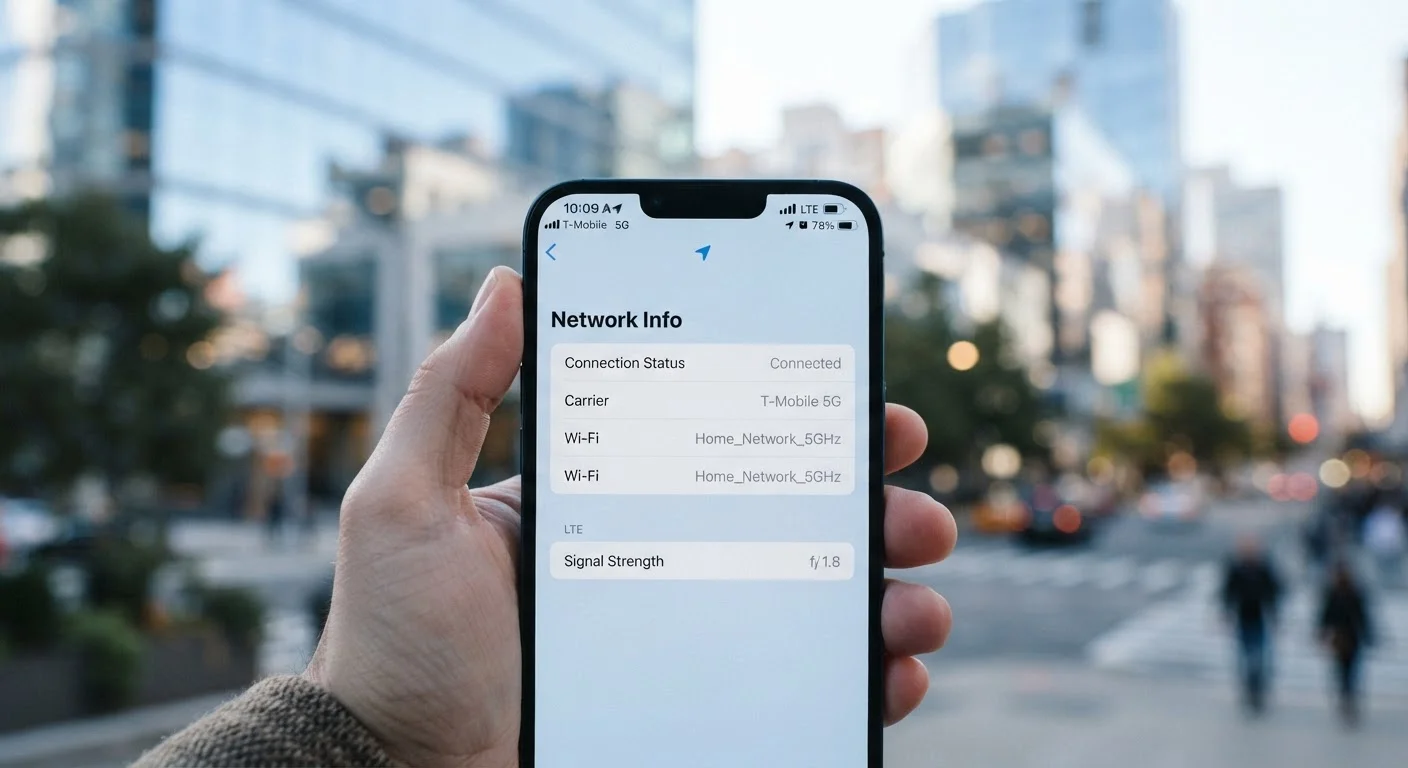
Wi-Fi Calling is not a cellular standard — it's a feature that routes voice calls over a Wi-Fi internet connection rather than through a carrier's cell towers. It activates automatically (when enabled) whenever your phone detects a Wi-Fi network and your cellular signal is weak.
The practical benefit is straightforward: if you're inside a thick-walled building, a basement apartment, or a rural home where cellular signals struggle to penetrate, Wi-Fi Calling can mean the difference between a clear conversation and a dropped call. Your carrier's towers never enter the equation for that call — your home broadband does the work instead.
Importantly, Wi-Fi Calling does not affect your data speeds, your browsing experience, or your streaming quality. It applies only to voice calls (and sometimes SMS on supported plans). It also does not require a separate subscription on most major U.S. carriers — it's typically a setting you toggle in your phone's calling or network menu.
~99%
U.S. population with LTE coverage
According to FCC broadband mapping data, LTE coverage reaches nearly the entire U.S. population, though rural geographic gaps remain.
3
Distinct 5G frequency bands in U.S. use
Low-band, mid-band, and mmWave each offer different speed and range trade-offs — carrier deployment varies significantly by region.
One nuance worth knowing: emergency 911 calls over Wi-Fi Calling may require your registered address to be on file with your carrier, since the call doesn't pass through a cell tower that can estimate your location. Carriers generally prompt you to verify this address when you enable the feature. For more on how home internet connectivity standards differ from cellular, our Wi-Fi generation explainer covers home network basics in depth.
Choosing What Matters for Your Situation
The framing of 5G vs. LTE vs. Wi-Fi Calling as a single competition misses the point — they solve different problems. Cellular data (whether LTE or 5G) powers your phone's internet connection when you're away from a known Wi-Fi network. Wi-Fi Calling improves voice reliability when cellular signals are weak indoors.
If you're evaluating a new phone or plan, the questions worth asking are: Does my carrier offer strong mid-band 5G in the areas I spend the most time? If not, LTE may serve you equally well at lower cost. And separately: Do I regularly struggle with dropped calls at home or work? If so, enabling Wi-Fi Calling costs nothing and may solve that problem immediately.
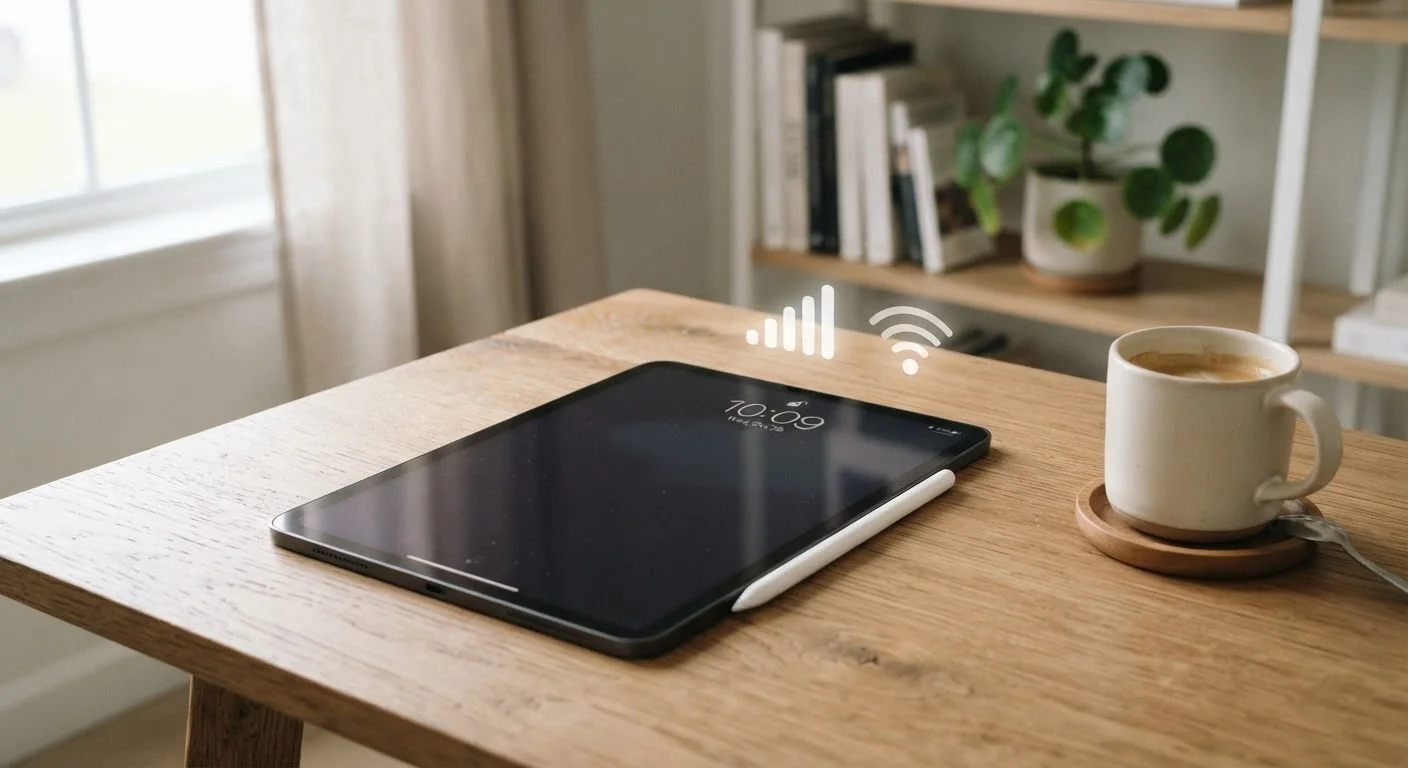
Connectivity decisions also extend beyond phones. If you're weighing whether a tablet needs cellular capability, the cellular vs. Wi-Fi-only tablet breakdown walks through that decision clearly. And if you're building out a smart home alongside your mobile setup, understanding how device protocols interact with your network is worth the read — see our smart home protocol comparison.
A Note on Coverage Maps vs. Reality
Carrier coverage maps are marketing tools, not guarantees. They show theoretical outdoor signal reach based on tower placement, not actual in-building penetration or congestion during peak hours. Independent tools like the FCC's broadband map or crowd-sourced coverage checkers can give a more grounded picture of what to expect in specific locations. When in doubt, ask neighbors or colleagues which carrier performs reliably in the specific buildings you frequent most.