What Each Device Is Actually Built For
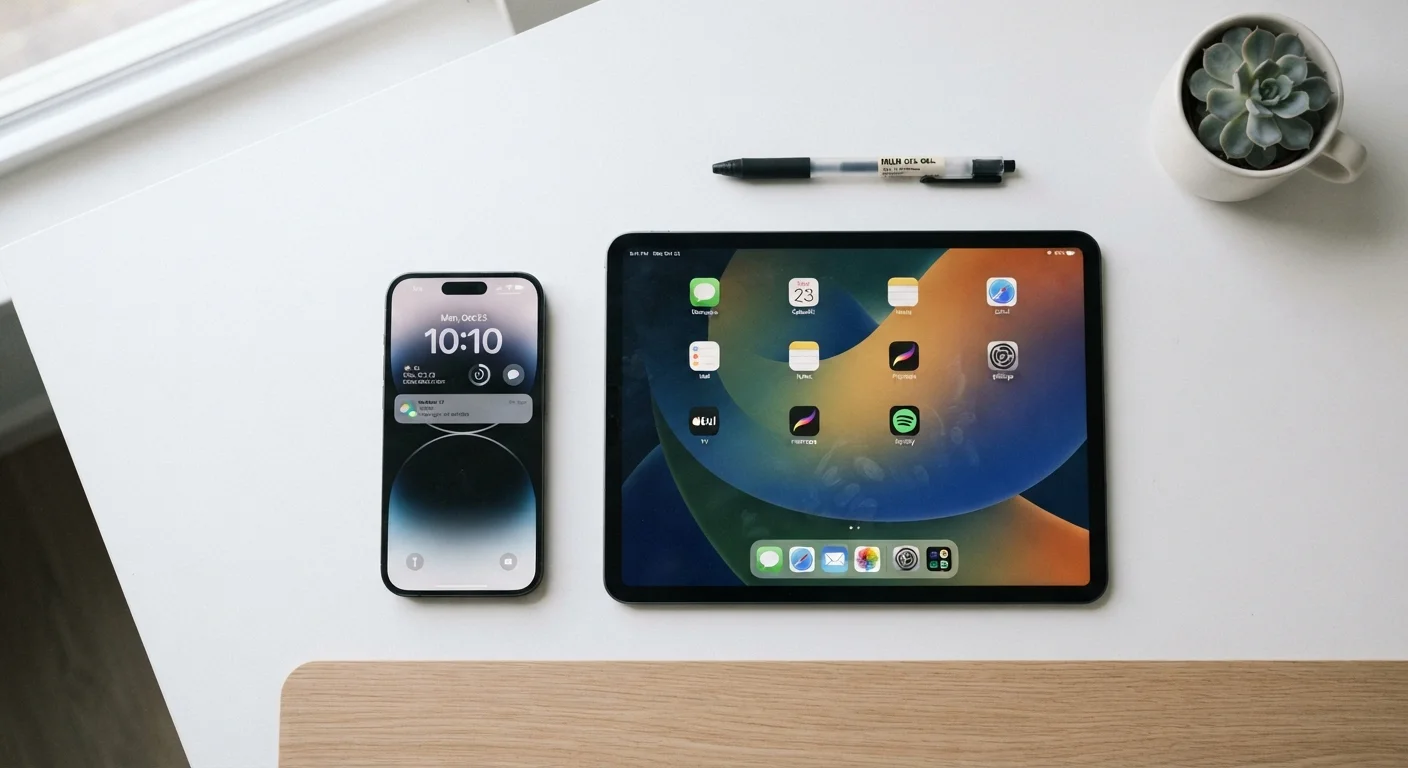
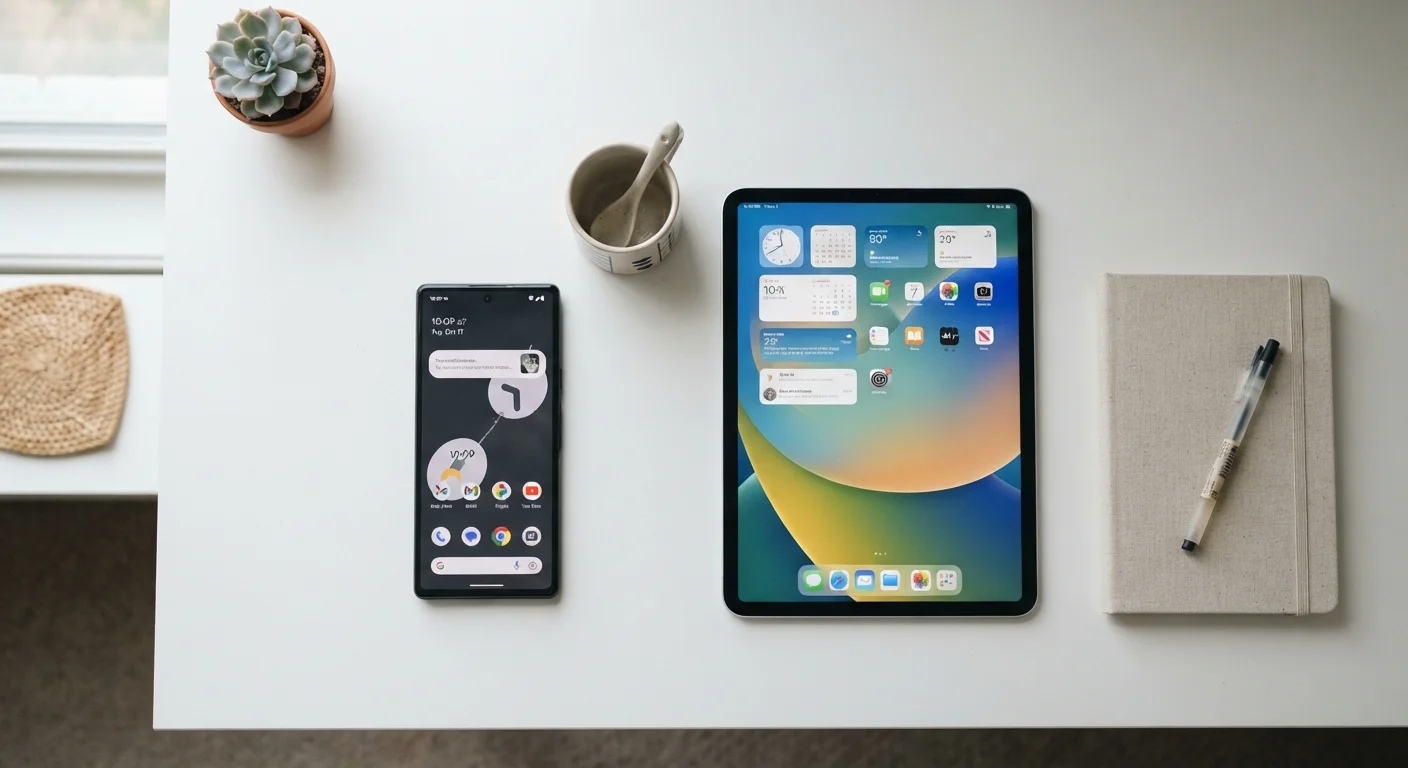
A smartphone is designed around mobility. It goes everywhere you do, handles voice calls natively, and fits in a pocket. A tablet is designed around screen real estate — it gives you more space for content but usually lives on a table or in a bag.
That distinction sounds obvious, but it has real cascading effects. Most tablets do not make traditional phone calls over cellular networks without added workarounds. Most phones have screens between 6 and 7 inches — workable for short tasks, but tiring for an hour of reading or video streaming. Understanding what each form factor was built to do is the first step toward an honest decision.
For a broader look at how smartphones and tablets fit into your overall tech setup, see the end-to-end guide for everyday buyers.
| Criterion | Smartphone | Tablet |
|---|---|---|
| Typical screen size | 6–7 inches | 8–13 inches |
| Portability | Pocket-sized, always on hand | Bag-required, intentional carry |
| Voice calls | Built-in, standard feature | Limited; varies by model |
| Cellular connectivity | Standard on all models | Optional; extra cost |
| Battery life (media use) | Moderate; optimized for mixed tasks | Generally longer during streaming |
| Stylus / drawing support | Rare; limited to some models | Common on mid-to-high-end models |
| Best for on-the-go use | Yes | Not ideal |
| Best for at-home screen time | Adequate | Yes |
The Real-World Trade-offs That Matter Most
Screen size and eye comfort: Tablets typically range from 8 to 13 inches. That extra space matters more than most people expect — especially for anyone who reads for long periods, participates in video calls, or follows along with tutorials. A phone screen demands more squinting and scrolling in those same contexts.
Portability and always-on access: A smartphone wins here without contest. It is in your pocket at a moment's notice. A tablet, even a compact one, requires a bag and a conscious decision to bring it. If you need a device during a commute, a quick errand, or an emergency, the phone is the practical choice.
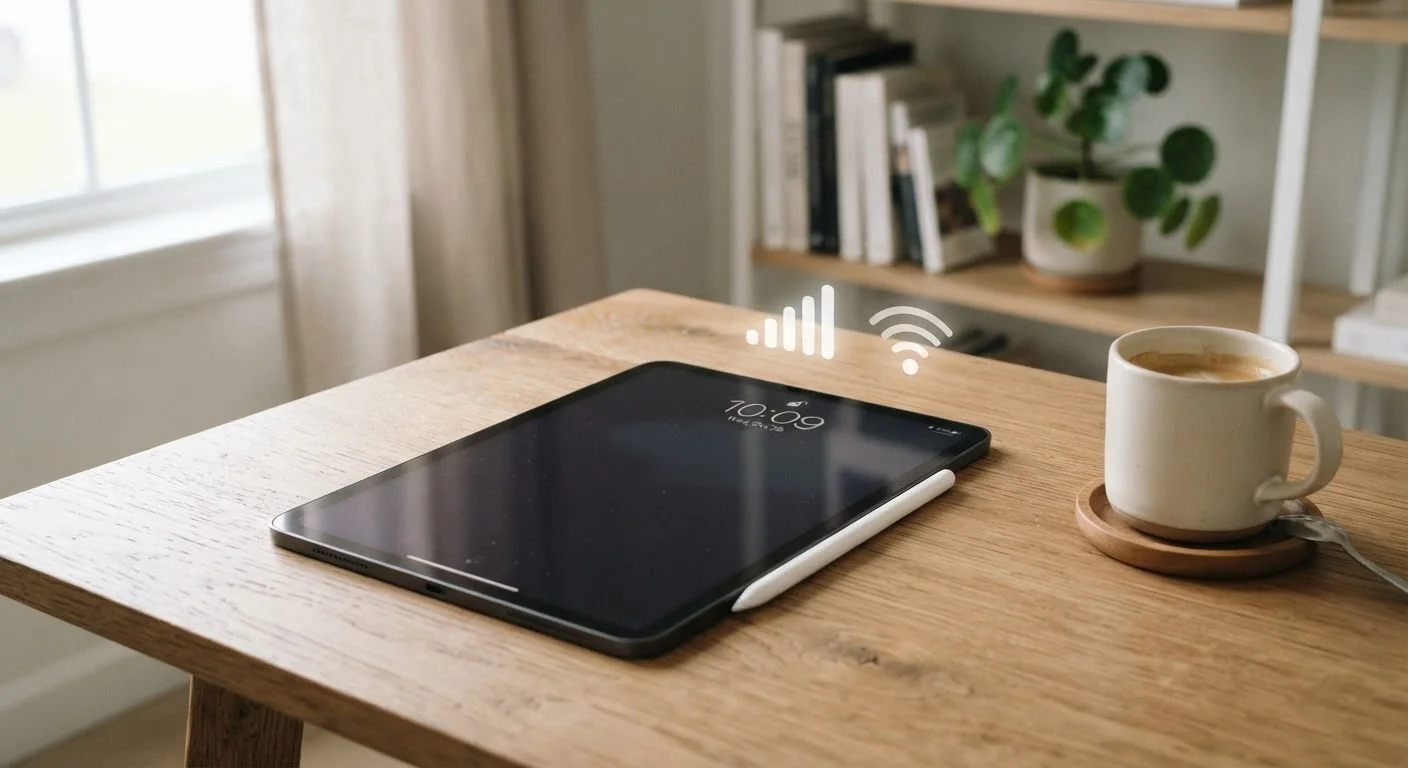
Connectivity: Phones include cellular capability as a core feature. Tablets come in Wi-Fi-only and cellular models — and the cellular version adds both upfront cost and a monthly data plan. If you're weighing that decision, the trade-offs between cellular and Wi-Fi-only tablets are worth understanding before committing.
~8–13"
Typical tablet screen range
Most consumer tablets fall in this range, offering substantially more viewing area than a standard smartphone screen.
1 device
What most people actually need
Industry analysts consistently find that the majority of consumers use a smartphone as their primary computing device throughout the day.
2x+
Screen area difference vs. phone
A 10-inch tablet can have more than twice the screen area of a 6-inch phone, which has a meaningful impact on reading and media comfort.
Battery life: Tablets generally have larger batteries and can last longer between charges during media use. Phones are optimized for mixed usage throughout a full day but deplete faster during sustained streaming.
Who Should Own Both — And Who Shouldn't
The case for owning both devices is real, but only when they serve genuinely separate purposes. A practical split: use your phone for everything outside the home, and reach for the tablet when you're settled — cooking with a recipe on the screen, watching a show, or joining a video call from your couch.
The case against owning both is equally real. If your tablet would mostly duplicate what your phone already does, it's an expense that doesn't add meaningful value. Many consumers buy a tablet expecting to replace a laptop, then find it falls short for typing-heavy work. If that's your goal, the laptop vs. desktop comparison may be the more useful read.
New tablet buyers should also review what to know before choosing your first tablet before purchasing — screen size, operating system, and storage all deserve careful thought.
This article provides general product category information for educational purposes only. Individual device features, pricing, and availability vary by manufacturer and region. Always verify current specifications before making a purchase decision.