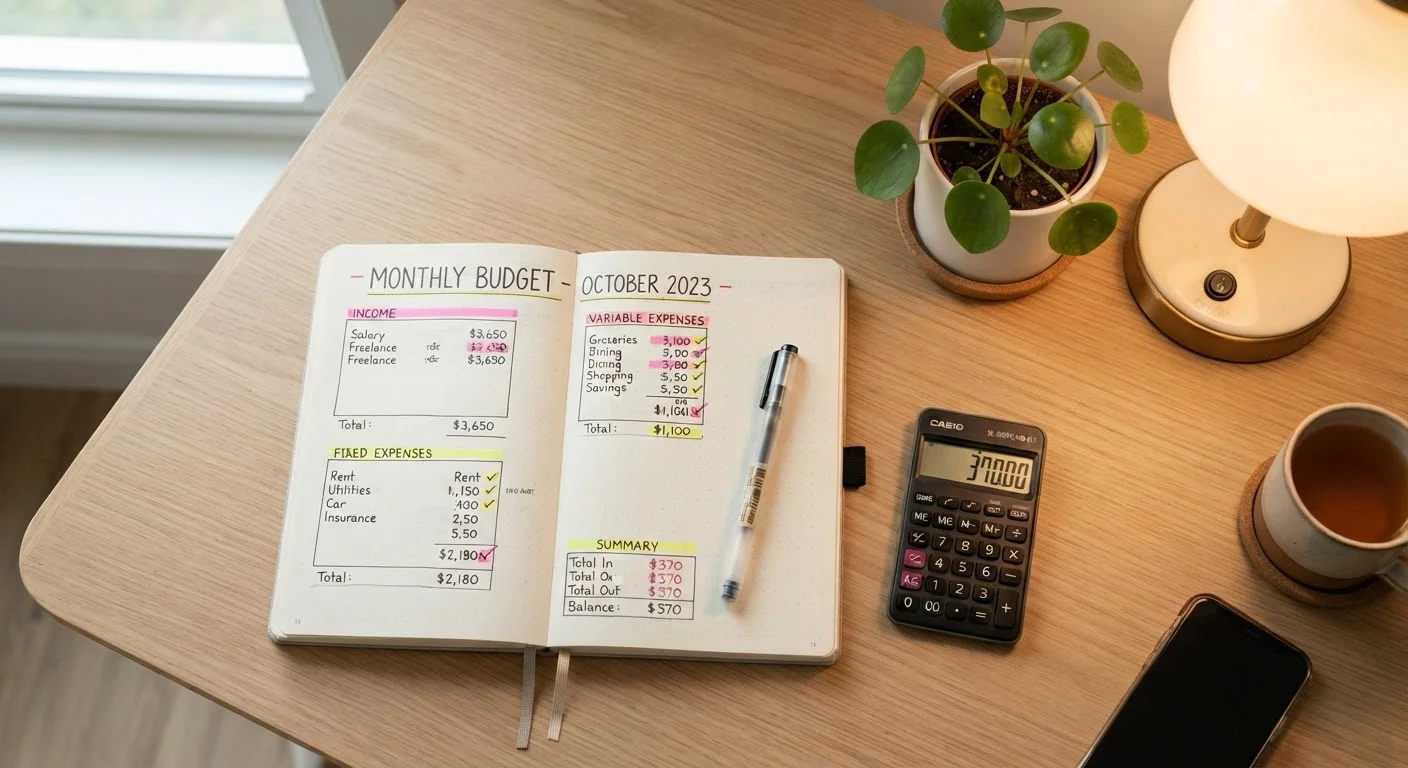
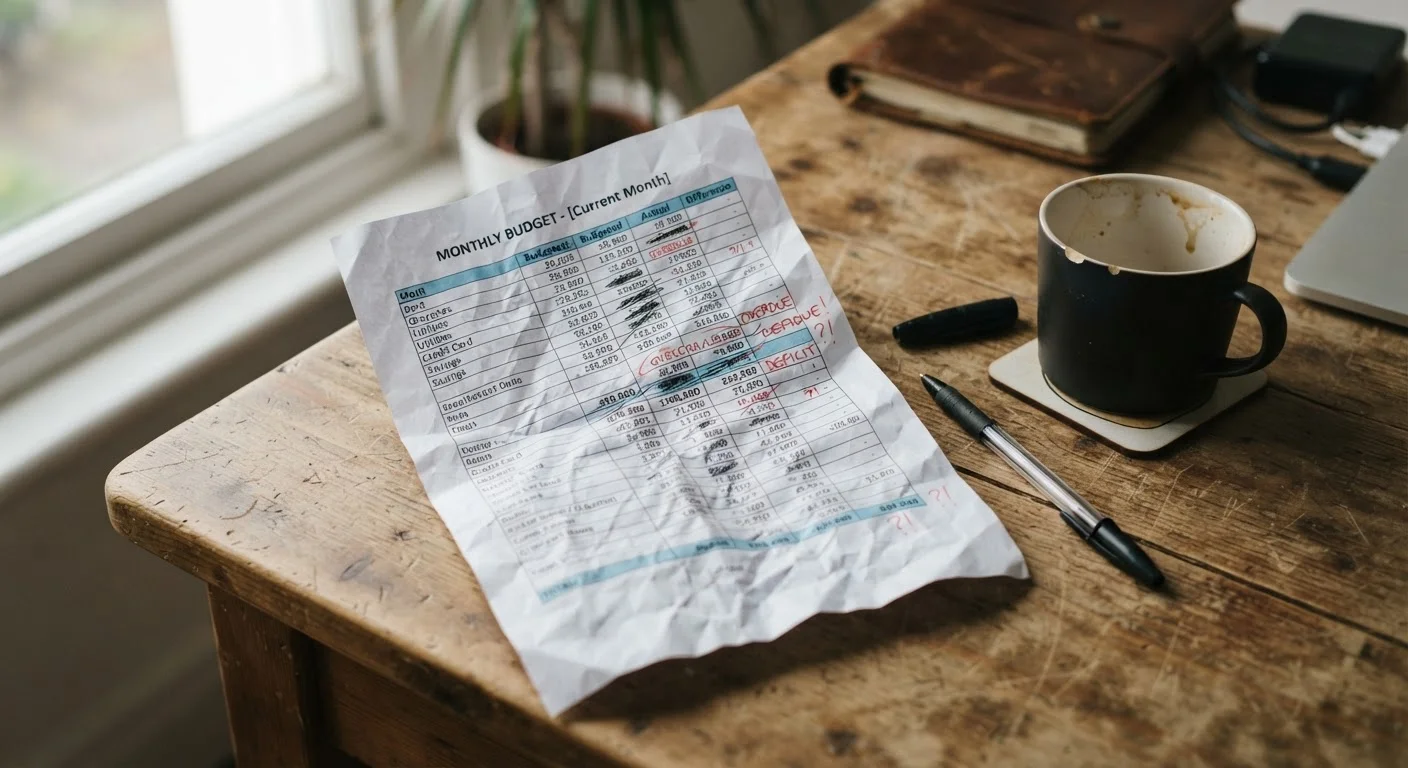
The Real Reason Budgets Don't Last
Most people assume a failed budget reflects a personal shortcoming — poor self-control, weak motivation, or just not being a "numbers person." The evidence points elsewhere. Budgets typically collapse because of how they're built, not because of who built them. Structural flaws make them fragile from the start, and the first month's friction is usually just the design showing its cracks.
The good news: these are fixable problems. Understanding why budgets break down in practice — and where the common design errors hide — makes it far easier to build something that survives real life. This article is general financial information to help you think through the approach; for guidance specific to your situation, consider consulting a qualified financial professional.
Building the budget on an idealized version of spending rather than actual past behavior.
Why it happens: Most first-time budgeters use round, optimistic numbers — what they wish they spent — instead of pulling real data from bank and card statements.
Leaving out irregular, non-monthly expenses entirely.
Why it happens: Expenses like car registration, annual subscriptions, holiday gifts, and medical copays don't appear every month, so they're easy to overlook when building a monthly plan.
Creating categories so narrow that one unexpected purchase blows the whole plan.
Why it happens: Overly granular budgets feel precise, but they leave no room for normal spending variation — a dinner out, a slight utility spike, or a prescription refill.
Treating the first version of a budget as permanent and final.
Why it happens: Budgeting guides often present the process as a one-time setup, which gives the impression that a good budget shouldn't need changes.
Cutting discretionary spending to zero in the name of discipline.
Why it happens: A desire to maximize savings leads many people to eliminate every "non-essential" — restaurants, hobbies, entertainment — leaving a budget with no room to be human.
How to Build a Budget That Actually Holds
Once you've identified the structural problems above, the fixes share a common thread: replace rigidity with adaptability. A budget should function more like a living document than a binding contract. Here's what that looks like in practice:
- Start with real numbers. Pull three months of bank and credit card statements before setting a single limit. Actual data beats estimates every time.
- Account for the irregular. List every expense from the past year — not just monthly ones — and divide annual costs into monthly reserves.
- Keep categories broad enough to breathe. Add a miscellaneous buffer so small surprises don't derail the whole plan.
- Review monthly, adjust often. A 20-minute end-of-month check is enough to catch drift before it becomes a problem.
For a deeper look at patterns that quietly derail even well-intentioned plans, common budgeting missteps are worth reviewing. And if you want to build sustainable saving habits alongside your budget, the Saving & Debt hub covers proven approaches to both. Quick daily habits that support your budget can also be found in the Everyday Money Tips hub.
Skipping a Monthly Review Is a Silent Budget Killer
A budget set once and never revisited becomes outdated within weeks. Income changes, bills shift, and spending patterns evolve. Without regular check-ins, you won't know the plan is broken until you're overdrawn. Build a short monthly review into your routine — even 20 minutes can catch problems before they compound. See how to set up a monthly budget review that you'll actually stick with.
Budgets Are Tools, Not Tests
Abandoning a budget after one bad month doesn't mean you've failed — it usually means the budget was designed too rigidly. The goal isn't perfect adherence; it's a spending plan you can return to and adjust. Treating every overspend as a moral failure is one of the fastest ways to quit entirely.
~80%
Of people who quit budgeting within 3 months
Financial behavior research consistently finds that most people abandon structured budgets within the first quarter, often citing rigidity and unrealistic categories as the primary reasons.
30%+
Of annual spending is irregular or seasonal
Studies of household cash flow patterns suggest that a significant share of real spending — insurance, travel, gifts, repairs — occurs in irregular bursts that monthly budgets routinely underestimate.