Why Mental Health Language Matters
Mental health conversations have moved into everyday American life — showing up in workplaces, school newsletters, and social media feeds. But the vocabulary can feel dense, clinical, or inconsistently used. Knowing what key terms actually mean helps you advocate for yourself, understand what a therapist might be describing, or simply make sense of what you're reading.
This reference covers the terms you're most likely to encounter — defined plainly, without jargon layered on top of jargon. For a practical next step, see A Personal Mental Wellness Audit, a reflective checklist for checking in with your own emotional habits and stress patterns.
This Is General Information, Not Medical Advice
The terms defined here are intended for general education only. They are not a substitute for assessment, diagnosis, or treatment by a qualified mental health professional. If you have concerns about your mental health, please reach out to a licensed clinician or contact a crisis line if needed.
Core Terms Defined
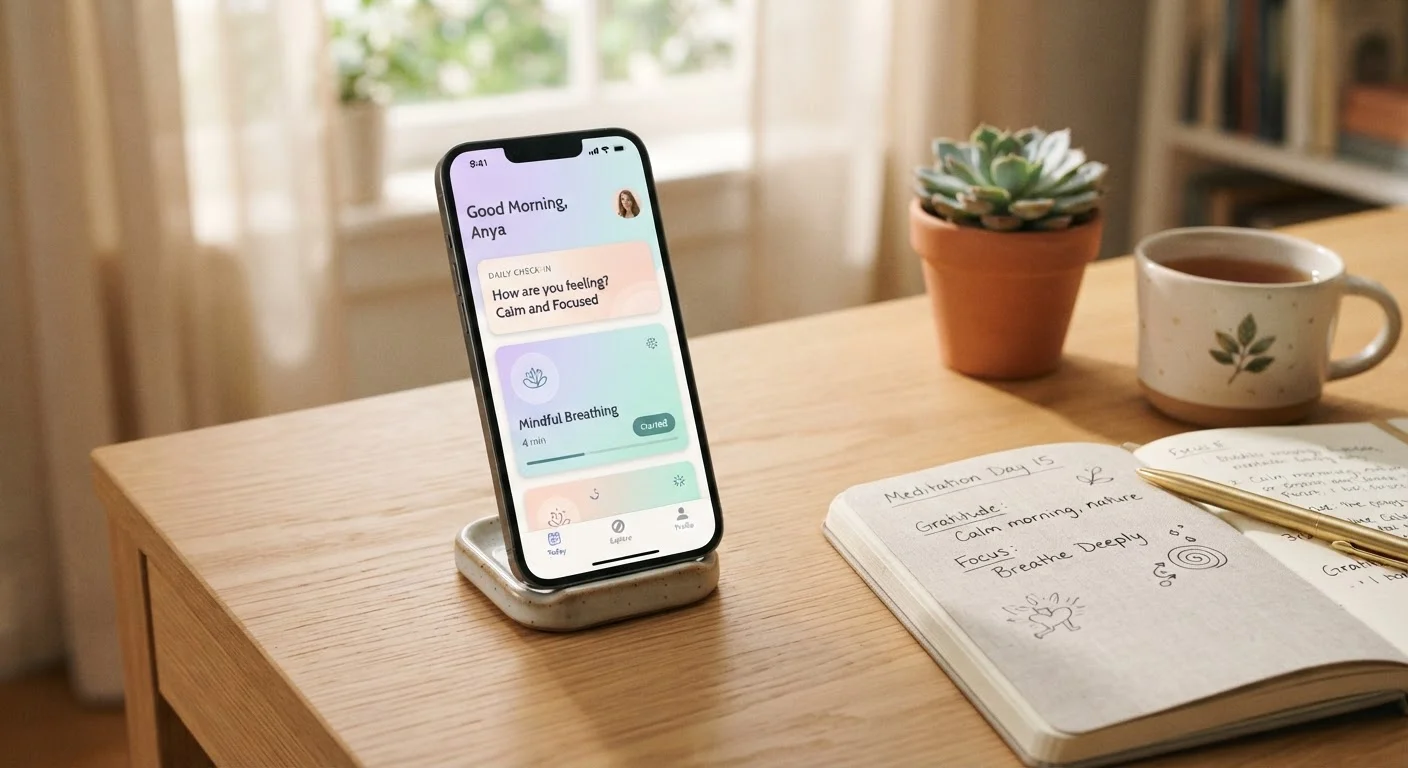
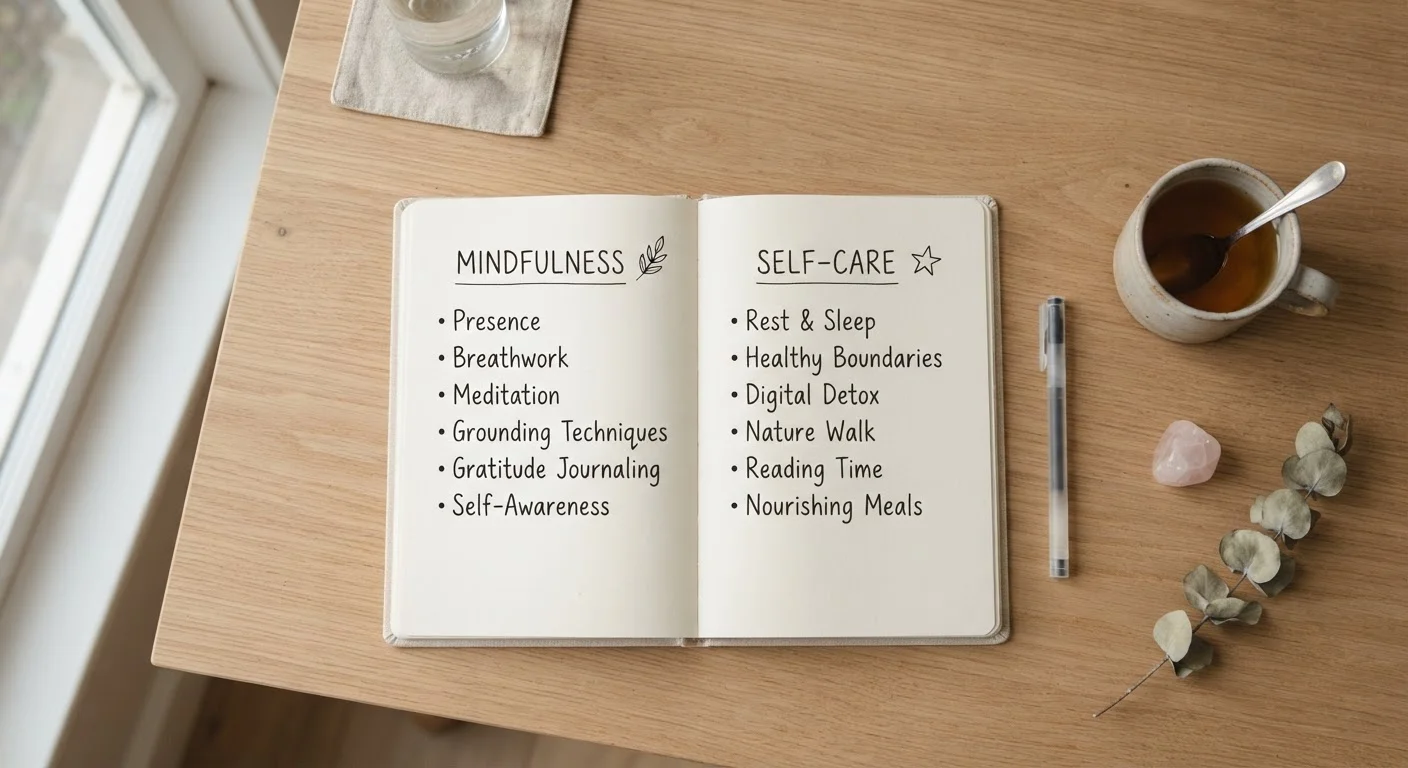
The glossary below covers twelve of the most commonly used mental wellness concepts — from therapy-room vocabulary to terms that show up in apps and wellness content. If you use digital tools to support your mental health, Mental Health Apps: What They Can and Can't Do for You offers a balanced look at where these tools help and where professional support remains essential.
Understanding who provides mental health support matters just as much as knowing the terminology. Therapy, Coaching, and Counseling: Understanding the Differences breaks down what each role involves so you can seek the right kind of help with confidence.
1 in 5
U.S. adults experience mental illness annually
According to SAMHSA's National Survey on Drug Use and Health (2022).
11 years
Average delay between symptom onset and treatment
Cited by the National Alliance on Mental Illness (NAMI) as a persistent gap in mental health care access.
This article is for informational purposes only and does not constitute medical or mental health advice. Always consult a qualified healthcare professional for guidance specific to your situation.