Grout Cracks Are a Symptom, Not the Problem
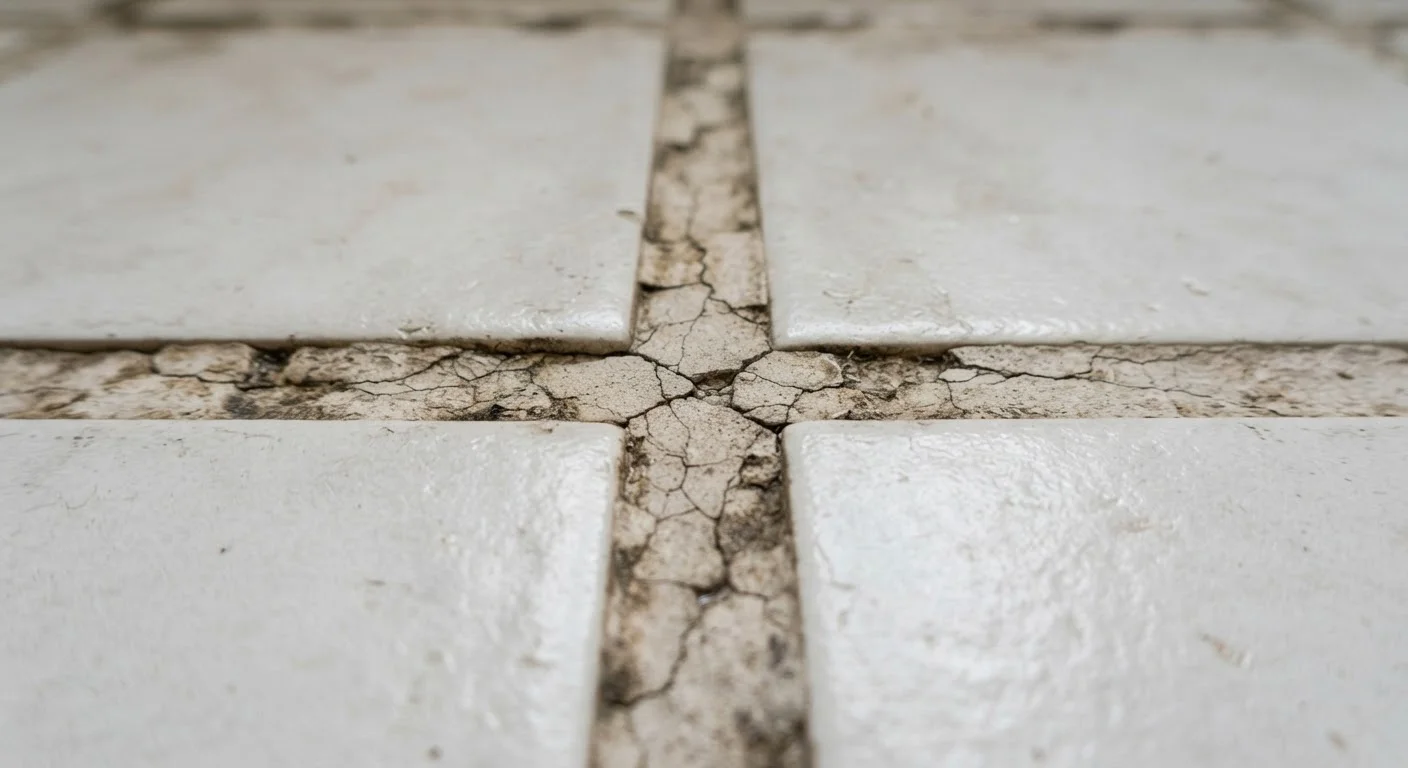
If you've patched grout once and found it cracking again within months, you're dealing with something more than surface deterioration. Grout is a rigid material — it does exactly what the structure beneath it does. When the substrate flexes, settles, or shifts, grout transmits that stress by cracking. Treating the cracks without understanding their source virtually guarantees a repeat failure.
Understanding why grout fails means looking beneath the tile. The causes range from installation shortcuts to structural realities that even experienced homeowners overlook. The mistakes below are the most common reasons grout keeps cracking — and what you can actually do about each one.
Installing tile over a substrate that flexes or is too thin.
Why it happens: Homeowners and some installers lay tile directly over undersized plywood or single-layer subfloors to save time and cost. Tile and grout are rigid systems that require a stable, non-deflecting base.
Using the wrong type of grout for the joint width or tile type.
Why it happens: Unsanded grout is sometimes used in wide joints where sanded grout is required, or vice versa. The wrong formulation shrinks differently and can't handle the mechanical demands of the installation.
Skipping or misplacing expansion joints.
Why it happens: Expansion joints — soft, flexible spaces that absorb movement — are often omitted entirely or filled with grout. Without them, the entire tiled surface has no relief when materials expand and contract.
Not allowing grout to cure fully before exposing it to moisture or traffic.
Why it happens: Impatience is common after a tiling project. Walking on newly grouted floors or allowing water exposure too soon weakens the grout structure before it has set properly.
Using too much water when mixing or cleaning grout.
Why it happens: Excess water makes grout easier to spread and clean up, so installers sometimes add more than the mix ratio calls for. This dilutes the binding agents and causes the grout to shrink and weaken as it dries.
Structural and Long-Term Factors to Watch
Even well-installed tile can develop cracking grout over time if broader structural conditions are at play. Seasonal temperature swings cause building materials to expand and contract at different rates. When tile, adhesive, substrate, and framing all move slightly differently, the grout — the most brittle link in that chain — absorbs the stress and eventually fractures.
Widespread Cracks May Signal Structural Issues
If grout is cracking across a large area — not just in isolated spots — the problem may extend beyond the tile layer to the subfloor or even the home's foundation. Regrouting in this scenario is a temporary cosmetic fix at best. Before investing in any repair work, have a licensed contractor assess the structural integrity of the floor system. Unpermitted structural repairs can create safety risks and complicate future home sales.
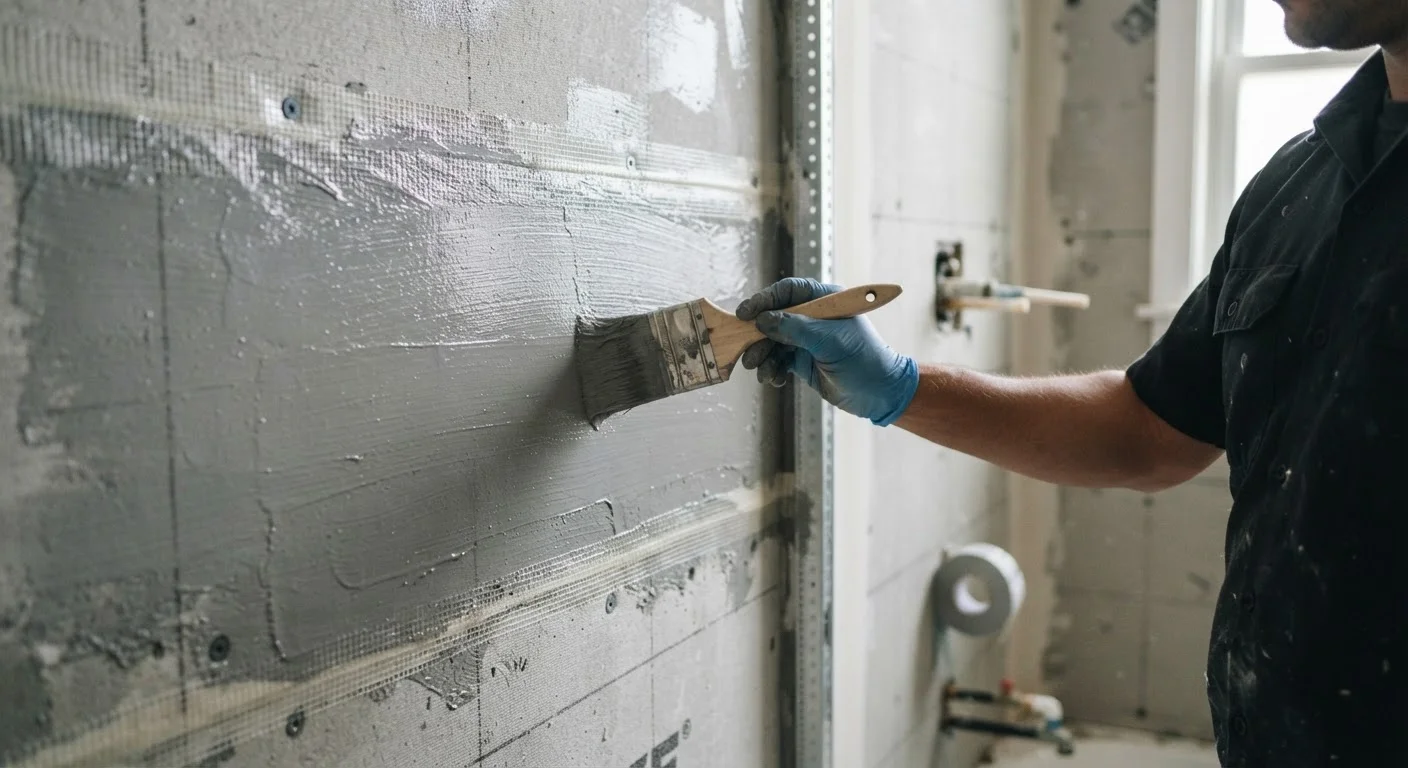
Homes with older subfloors, significant foot traffic, or previous water intrusion are especially vulnerable. If your home has experienced any settling, a licensed contractor or structural inspector should evaluate the floor system before you invest in retiling. Similarly, bathrooms deserve particular attention: inadequate moisture barriers beneath tile can accelerate substrate degradation and contribute to grout failure. See our guide to bathroom waterproofing to understand how subsurface moisture barriers protect your tile installation over the long term.
L/360
Minimum subfloor stiffness for ceramic tile
The Tile Council of North America specifies an L/360 deflection limit as the baseline standard for substrates intended to support ceramic tile installations.
72 hrs
Typical minimum grout cure time before moisture exposure
Most cement-based grout manufacturers recommend waiting at least 72 hours before the tiled surface is exposed to standing water or heavy cleaning.
Addressing grout failure properly takes more effort upfront, but it prevents the cycle of patching and re-patching that costs more in the long run — in both time and materials.